

English


Paperback
₹2508
₹3198
21.58% OFF
(All inclusive*)
Delivery Options
Please enter pincode to check delivery time.
*COD & Shipping Charges may apply on certain items.
Review final details at checkout.
Looking to place a bulk order? SUBMIT DETAILS

Piracy-free

Assured Quality

Secure Transactions
About The Book
Description
Author
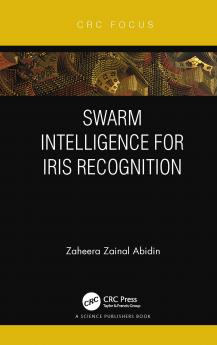
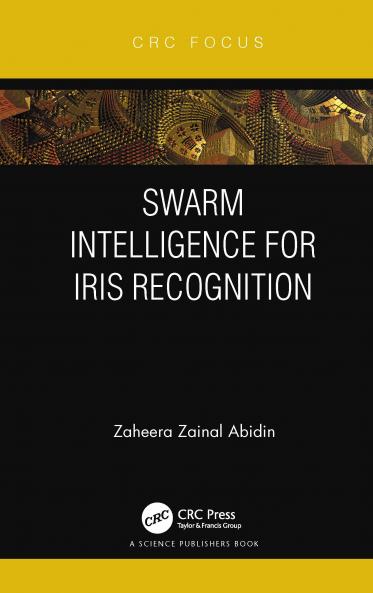
<p>Iris recognition is one of the highest accuracy techniques used in biometric systems. The accuracy of the iris recognition system is measured by False Reject Rate (FRR) which measures the authenticity of a user who is incorrectly rejected by the system due to changes in iris features (such as aging and health condition) and external factors that affect iris image for instance high noise rate. External factors such as technical fault occlusion and source of lighting that causes the image acquisition to produce distorted iris images create error hence are incorrectly rejected by the biometric system. FRR can be reduced using wavelets and Gabor filters cascaded classifiers ordinal measures multiple biometric modalities and a selection of unique iris features. Nonetheless in the long duration of the matching process existing methods were unable to identify the authenticity of the user since the iris structure itself produces a template changed due to aging. In fact the iris consists of unique features such as crypts furrows collarette pigment blotches freckles and pupils that are distinguishable among humans. Earlier research was done by selecting unique iris features. However these had low accuracy levels. </p><p>A new way of identifying and matching the iris template using the nature-inspired algorithm is described in this book. It provides an overview of iris recognition that is based on nature-inspired environment technology. The book is useful for students from universities polytechnics community colleges; practitioners; and industry practitioners.</p>
Piracy-free
Assured Quality
Secure Transactions
Delivery Options
Please enter pincode to check delivery time.
*COD & Shipping Charges may apply on certain items.
Review final details at checkout.
Details
ISBN 13
9780367627508
Publication Date
-29-01-2024
Pages
-146
Weight
-178 grams
Dimensions
-137.92x215.9x8.1 mm
