


English



Paperback
₹4471
₹4976
10.16% OFF
(All inclusive*)
Delivery Options
Please enter pincode to check delivery time.
*COD & Shipping Charges may apply on certain items.
Review final details at checkout.
Looking to place a bulk order? SUBMIT DETAILS

Piracy-free

Assured Quality

Secure Transactions
About The Book
Description
Author
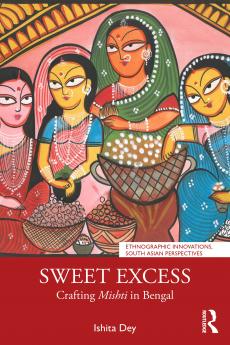
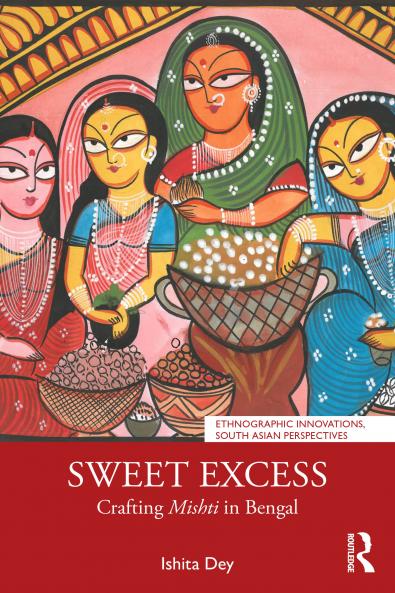
<p>This book is an ethnographic work on excess. Based on a decade-long field work of a single food substance — sweets — it follows sweet-making in sweetshops domestic spaces fairs festivals and its representation in recipe books to understand how caste religion science and law inform the life of a food item with an extremely short shelf life. It shows how food items of conspicuous consumption find a meaning in everyday lives of people through its socio-cultural meanings - ritual pride of craftsmanship heritage and cultural identity. It also shows how sweets continue to be a ubiquitous part of ‘Bengali’ diet in a geography that has been witness to acute hunger starvation food movements and social welfare programmes to ensure food security.</p><p>As a multi-sited ethnography on sweetness in diverse settings and its associated meanings in West Bengal and Bangladesh this book explores everyday workplace hierarchies between artisans that reveal how caste and religion inform the choice of who is hired into this line of work. It also highlights how discourses on food safety and the overpowering presence of World Trade Organization have affected the life of the Bengali mishti.</p><p>The volume will be of great interest to scholars and researchers of ethnography sociology history and South Asian studies. And if you dear reader love mishti you will love this too!</p>
Piracy-free
Assured Quality
Secure Transactions
Delivery Options
Please enter pincode to check delivery time.
*COD & Shipping Charges may apply on certain items.
Review final details at checkout.
Details
ISBN 13
9781041113201
Publication Date
-09-09-2025
Pages
-270
Weight
-388 grams
Dimensions
-156x234x14.47 mm
