

Persian; Farsi


₹2640
₹3206
17.65% OFF
(All inclusive*)
Paperback
Delivery Options
Please enter pincode to check delivery time.
*COD & Shipping Charges may apply on certain items.
Review final details at checkout.
Looking to place a bulk order? SUBMIT DETAILS
Delivery Options
Please enter pincode to check delivery time.
*COD & Shipping Charges may apply on certain items.
Review final details at checkout.
About The Book
Description
Author
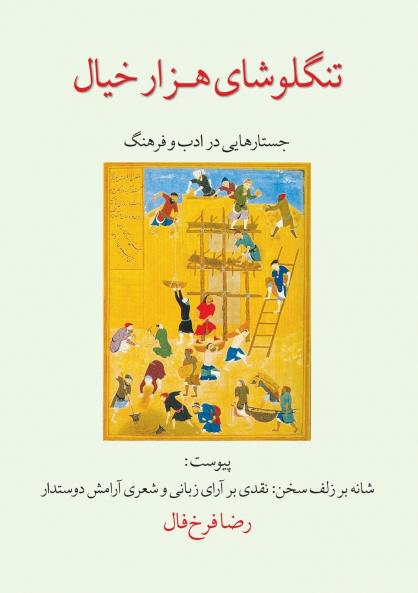
<p><span style=background-color: rgba(255 255 255 1); color: rgba(10 16 26 1)>The word Tanglusha in the title of this book is taken from the poetry of Nezami Ganjavi where it refers to a book on the art of painting. In Persian literature Tanglusha is a term associated with absolute beauty and the perfection of artistic images. This book is a collection of essays by Reza Farokhfal beginning with one in memory of Shahrokh Meskoob. The subsequent essays explore themes related to the Iranian homeland Persian literature and language as well as contemporary Iranian literature. In the appendix there is an extended critique of the literary and linguistic views of Aramesh Doostdar where his shortcomings and misunderstandings in dealing with linguistic issues-particularly the Persian language-and the poetic legacy of Persian literature especially the poetry of Hafez are analyzed.</span></p><p><span style=background-color: rgba(255 255 255 1); color: rgba(10 16 26 1)>Reza Farokhfal is a published writer in his country of origin (Iran). His fictional works as well as his works in literary theory and cultural studies have appeared in various prestigious literary periodicals and anthologies. His latest book Sa'di's Narrative of Exile was recently published in Tehran. He acquired a B.A. in History from Pahlavi (Shiraz) University in Iran and a Master's degree in Communications from Concordia University in Montreal. Reza Farokhfal has previously taught Persian at the Islamic Studies Institute of McGill University in Montreal University of Wisconsin in Madison. In teaching Persian (Farsi) as a less common taught language he has tried to apply a 'communicative approach' in his classes as well as in compiling a course book titled Persian: Here and Now for teaching at the introductory level of Persian language.</span></p>

Piracy-free

Assured Quality

Secure Transactions

Fast Delivery

Sustainably Printed
Details
ISBN 13
9781069021007
Publication Date
-21-11-2024
Pages
-276
Weight
-338 grams
Dimensions
-148x210x15.82 mm
