

Chinese


Paperback
₹3809
(All inclusive*)
Delivery Options
Please enter pincode to check delivery time.
*COD & Shipping Charges may apply on certain items.
Review final details at checkout.
Looking to place a bulk order? SUBMIT DETAILS

Piracy-free

Assured Quality

Secure Transactions
About The Book
Description
Author
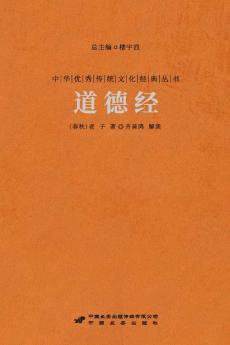
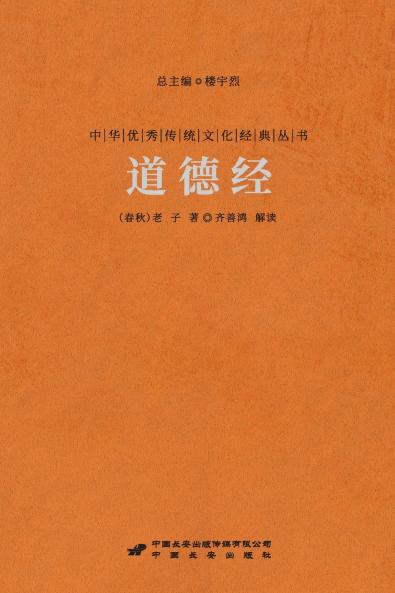
<p>内容简介</p><p></p><p>Brief Introduction</p><p></p><p>作者在书中创造性地幻想出一幅今人与老子对话的情景,并结合细微生活,用诙谐幽默、通俗易懂的语言,将《道德经》中蕴含的哲理通过一问一答的形式巧妙表现出来,形式新颖,立意鲜明。</p><p></p><p>The book creatively imagines dialogues between modern readers and Laozi using witty accessible language to unveil the wisdom of the Tao Te Ching through Q&amp;A exchanges rooted in everyday life. Its innovative format bridges ancient philosophy with contemporary relevance.</p><p></p><p>《道德经》,春秋时期老子所著的哲学作品,是中国古代先秦诸子分家前的一部著作,是道家哲学思想的重要来源。《道德经》文本以哲学意义之道德为纲宗,论述修身、治国、用兵、养生之道,而多以政治为旨归,乃所谓内圣外王之学,文意深奥,包涵广博,被誉为万经之王。《道德经》是中国历史上最伟大的名著之一,对传统哲学、科学、政治、宗教等产生了深刻影响。据联合国教科文组织统计,《道德经》是除了《圣经》以外被译成外国文字发布量最多的文化名著。被誉为中华文化之源万经之王。</p><p></p><p>The Tao Te Ching a philosophical work by Laozi during the Spring and Autumn Period stands as a preeminent text preceding the division of early Chinese schools of thought. Serving as the cornerstone of Taoist philosophy it explores Tao (the Way) and Te (virtue) as guiding principles addressing self-cultivation governance military strategy and health preservation while emphasizing political philosophy as a path to inner sageliness and outer kingliness. Renowned for its profound depth and breadth it is hailed as the Supreme Classic and one of China's most monumental literary legacies. Its influence permeates traditional philosophy science politics and religion. According to UNESCO the Tao Te Ching ranks as the most translated cultural text into foreign languages after the Bible revered as the Source of Chinese Culture and the Supreme Classic.</p><p></p><p>作者简介</p><p></p><p>Author Introduction</p><p></p><p>齐善鸿,南开大学商学院教授,南开大学国学与管理研究中心主任。</p><p></p><p>Qi Shanhong is a professor at the Business School of Nankai University and Director of the university's Research Center for Chinese Classics and Management.</p>
Piracy-free
Assured Quality
Secure Transactions
Delivery Options
Please enter pincode to check delivery time.
*COD & Shipping Charges may apply on certain items.
Review final details at checkout.
Details
ISBN 13
9787510711107
Publication Date
-01-07-2024
Pages
-898
Weight
-1007 grams
Dimensions
-140x210x61.98 mm
