

English


₹960
(All inclusive*)
Paperback
Delivery Options
Please enter pincode to check delivery time.
*COD & Shipping Charges may apply on certain items.
Review final details at checkout.
Looking to place a bulk order? SUBMIT DETAILS
Delivery Options
Please enter pincode to check delivery time.
*COD & Shipping Charges may apply on certain items.
Review final details at checkout.
About The Book
Description
Author
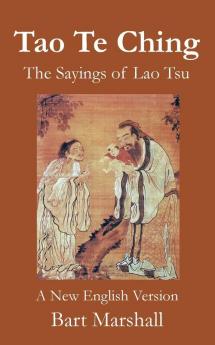
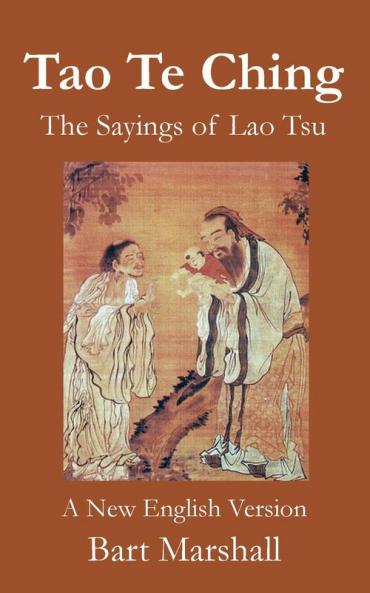
<p class=ql-align-justify><em>Tao Te Ching</em> is the fundamental work of Taoism and not only points with poetic elegance to the mystery of Oneness but provides practical guidelines for cultivating character conducting war and governing nations.&nbsp;</p><p class=ql-align-justify>As with most ancient texts authorship is difficult to determine.&nbsp;It is commonly attributed to a specific person named Lao Tsu who is said to have been a contemporary of Confucius and may have been an archivist to the emperor.&nbsp;Some historians point out however that one meaning of the characters <em>lao tsu</em> is old man and that it was more likely a nickname than a proper name.&nbsp;These same two characters can also form the words old scholar pronounced <em>roshi</em> in Japanese-a title usually reserved for a Zen master.</p><p class=ql-align-justify>Carrying out one's work in an unassuming manner is an important aspect of Taoist philosophy.&nbsp;So much so that often a Taoist writer or painter would either not sign his work or use a pseudonym that honored his teacher. It is not a stretch therefore to surmise that the <em>Tao Te Ching</em> may well have been written by a sage-or sages- wishing to remain anonymous as well as pay homage to the old masters who had come before.</p><p class=ql-align-justify>The case for more than one author is a good one.&nbsp;There is a certain inconsistency in the poetics and content that suggest not only multiple writers but perhaps multiple time periods as well.&nbsp;Regardless in the end only the work itself matters.&nbsp;The <em>Tao Te Ching</em> is a profound enduring text that never ceases to amaze mystify inspire and reveal. Whoever first brushed these verses on paper was merely the middle man.&nbsp;The words are from the Source.</p><p><br></p>

Piracy-free

Assured Quality

Secure Transactions

Fast Delivery

Sustainably Printed
Details
ISBN 13
9798868973611
Publication Date
-06-11-2023
Pages
-88
Weight
-98 grams
Dimensions
-127x203x6.07 mm
