


English


₹18214
₹21179
14% OFF
(All inclusive*)
Hardback
Delivery Options
Please enter pincode to check delivery time.
*COD & Shipping Charges may apply on certain items.
Review final details at checkout.
Looking to place a bulk order? SUBMIT DETAILS
Delivery Options
Please enter pincode to check delivery time.
*COD & Shipping Charges may apply on certain items.
Review final details at checkout.
About The Book
Description
Author(s)
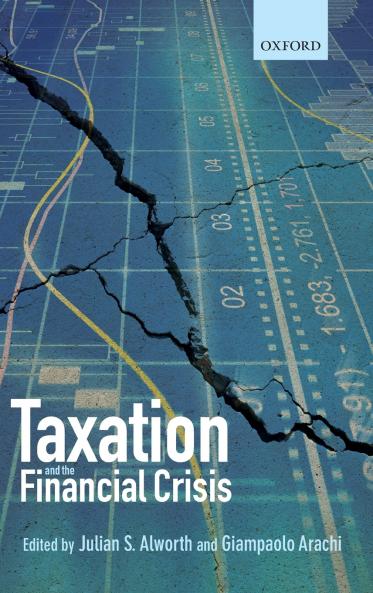
<p>This is an open access title available under the terms of a CC BY-NC-ND 3.0 International licence. It is free to read at Oxford Scholarship Online and offered as a free PDF download from OUP and selected open access locations. The financial crisis triggered a global debate on the taxation of the financial sector. A number of international policy initiatives most notably by the G-20 have called for major changes to the tax treatment of financial institutions and transactions as well as to working practice within the financial sector.<br /><br />This book examines how tax policies contributed to the financial crisis and whether taxation can play a role in the reform efforts to establish a sounder and safer financial system. It looks at the pros and cons of various tax initiatives including limiting the tax advantages to debt financing; special taxes on the financial sector; and financial transactions taxes. It examines policy concerns such as: the manner in which the financial sector should &quot;pay&quot; for its bailout and the role of accumulated tax losses on financial institutions&#39; behaviour; the role that taxes may play in correcting the systemic externalities associated with &quot;too big to fail&quot;; the types of tax that are most appropriate for financial institutions and markets (&quot;excess profits&quot; versus &quot;financial transactions taxes&quot;); the interaction between taxes and the regulation of the financial sector; and the role of taxation in countercyclical and macroeconomic policies.</p>

Piracy-free

Assured Quality

Secure Transactions

Fast Delivery

Sustainably Printed
Details
ISBN 13
9780199698165
Publication Date
-23-02-2012
Pages
-322
Weight
-551 grams
Dimensions
-156x234x19.05 mm
