

English


₹1785
₹1899
6% OFF
(All inclusive*)
Paperback
Delivery Options
Please enter pincode to check delivery time.
*COD & Shipping Charges may apply on certain items.
Review final details at checkout.
Looking to place a bulk order? SUBMIT DETAILS
Delivery Options
Please enter pincode to check delivery time.
*COD & Shipping Charges may apply on certain items.
Review final details at checkout.
About The Book
Description
Author
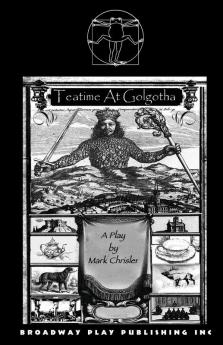
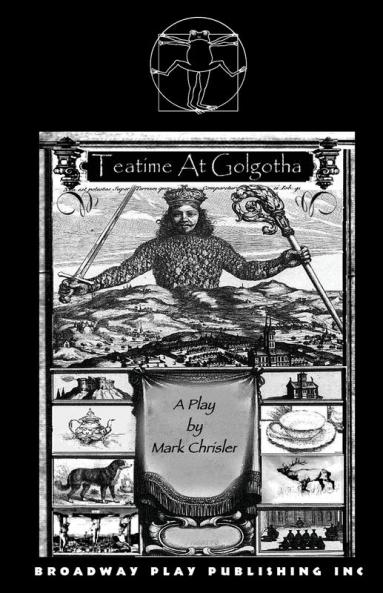
Teatime At Golgotha Is “A Heady Wittily Self-Effacing Drama” About The Unenviable Search For Meaning In What Is — In All Likelihood — A Cold Cold World. Following The Stories Of Longinus After The Crucifixion The Last Hours In The Life Of Astronomer Tycho Brahe And A Modern Day Hostage Situation Teatime Leaps Back And Forth Through The Millennia Drawing Meanings Parallels And Conclusions That The Characters Themselves Characteristically Fail To Notice.“Mark Chrisler’S Intelligent Thrilling Teatime At Golgotha [Is] Rewarding: Bringing History Myth And Hallucination Into Fruitful Collision. Chrisler … Presents A Heady Wittily Self-Effacing Hour-Long Fantasy That Charms Even As It Ridicules Its Own Grandiosity. Chrisler Partitions The Stage Into Three Playing Areas Each Populated By Three Characters From A Different Historical Period … Gradually The Worlds Begin To Intersect As The Same Phrase That Ends A Scene In One Era Starts The Next In Another … The Most Striking Moment Of Teatime At Golgotha Comes When The Three Playing Areas Are Lit Simultaneously For The First Time And All The Characters Stupefied See One Another … The Cool Humor And Fantastical Musings Of Teatime At Golgotha … Using Great Theatrical Economy — The Play Is Rhetorically Precise And All The Details Are Telling — Chrisler Needs Only An Hour To Develop His Themes. But Rather Than Pin His Ideas Down At The End He Lets Them Linger Evocatively.” —Justin Hayford The Chicago Reader

Piracy-free

Assured Quality

Secure Transactions

Fast Delivery

Sustainably Printed
Details
ISBN 13
9780881456004
Publication Date
-30-06-2014
Pages
-50
Weight
-72 grams
Dimensions
-140x216x2.63 mm
