



₹4932
₹6398
22.91% OFF
(All inclusive*)
Paperback
Delivery Options
Please enter pincode to check delivery time.
*COD & Shipping Charges may apply on certain items.
Review final details at checkout.
Looking to place a bulk order? SUBMIT DETAILS
Delivery Options
Please enter pincode to check delivery time.
*COD & Shipping Charges may apply on certain items.
Review final details at checkout.
About The Book
Description
Author
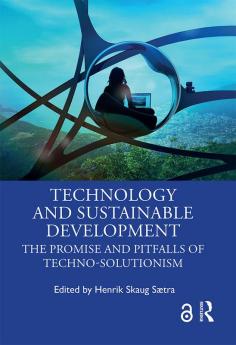
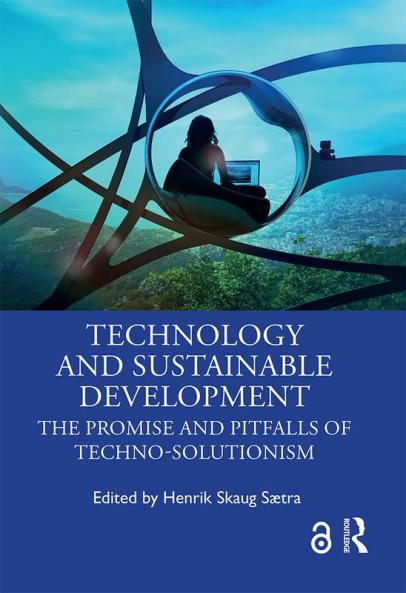
<p>Technological change is at the core of all major disruptions in human history and<br>revolutions wars and general development are regularly connected to some sort of<br>technological change. However not all development is beneficial. While technology has<br>fueled great innovations and rapid development the notion of sustainable development<br>has gained prominence as we now experience serious social economic and environmental<br>challenges.</p><p>This book examines whether technology can be used to fix the very problems caused by<br>technology as the various chapters examine different aspects related to how technology<br>has brought us where we are today (which some will say is the best place humanity’s been at<br>according to a range of metrics) and whether technology helps or hinders us in our efforts<br>to solve the challenges we currently face. The issues discussed cover the three sustainability<br>dimensions and include topics such as the materiality of AI technology in education AI<br>for gender equality innovation and the digital divide and how technology relates to power<br>the political system and capitalism. The chapters all build on the theoretical backdrop of<br>technological change sustainable development and the UN’s Sustainable Development<br>Goals are actively used throughout this book both to examine how these goals capture or<br>overlook central elements of sustainable development and also to facilitate and create a<br>common framework of engagement between the chapters.</p><p>This book provides a novel combination of traditional theories that are explored<br>through different case studies providing the ground for a better understanding of how<br>and when technology can – and cannot – be the enabler of sustainable development.<br>It is thus an important resource for students of all disciplines technologists and those<br>developing and applying new technologies. It is also a valuable resource for politicians<br>and regulators attempting to harness the power of technology for good while limiting its<br>negative potential.</p><p>The Open Access version of this book available at www.taylorfrancis.com has been<br>made available under a Creative Commons [Attribution-Non Commercial-No Derivatives<br>(CC-BY-NC-ND)] 4.0 license. Funded by Østfold University College.</p>

Piracy-free

Assured Quality

Secure Transactions

Fast Delivery

Sustainably Printed
Details
ISBN 13
9781032350561
Publication Date
-14-04-2023
Pages
-286
Weight
-509 grams
Dimensions
-178x254x15.293250000000002 mm
