


English



₹15534
₹18848
17.58% OFF
(All inclusive*)
Hardback
Delivery Options
Please enter pincode to check delivery time.
*COD & Shipping Charges may apply on certain items.
Review final details at checkout.
Looking to place a bulk order? SUBMIT DETAILS
Delivery Options
Please enter pincode to check delivery time.
*COD & Shipping Charges may apply on certain items.
Review final details at checkout.
About The Book
Description
Author
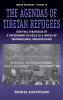
<p> Since the arrival of the first Tibetans in exile in 1959 a vast and continuous wave of international - especially Western - support has permitted these refugees to survive and even to flourish in their temporary places of residence. Today these Tibetan refugees continue to attract assistance from Western governments organizations and individuals while other refugee populations are largely forgotten in the international agenda. This book shows and discusses how Tibetan refugees continue to attract resources due notably to the dissemination of their political and religious agendas as well as how a movement of Western supporters born in very different conditions guaranteed a unique relationship with these refugees.</p>

Piracy-free

Assured Quality

Secure Transactions

Fast Delivery

Sustainably Printed
Details
ISBN 13
9781782382829
Publication Date
-01-09-2015
Pages
-226
Weight
-400 grams
Dimensions
-152x229x14.29 mm
