

English


Paperback
₹2150
₹2642
18.62% OFF
(All inclusive*)
Delivery Options
Please enter pincode to check delivery time.
*COD & Shipping Charges may apply on certain items.
Review final details at checkout.
Looking to place a bulk order? SUBMIT DETAILS
Delivery Options
Please enter pincode to check delivery time.
*COD & Shipping Charges may apply on certain items.
Review final details at checkout.
About The Book
Description
Author
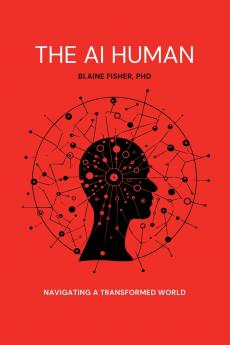
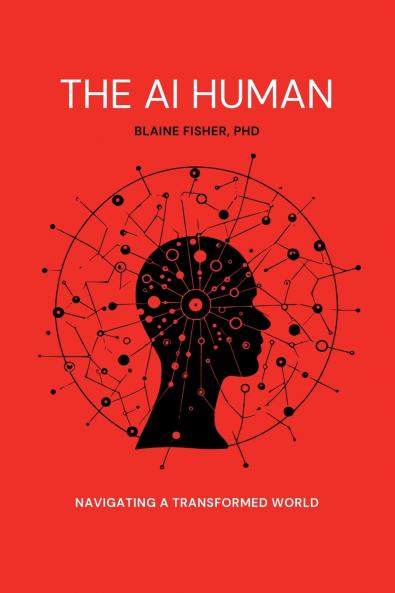
<p>Artificial intelligence arrived the way electricity did: quietly at first then everywhere. You didn't notice the exact moment your playlist started reading your mood or when your email began surfacing messages before you went looking for them. One day the tools were novelties. The next day they were simply there a layer beneath everything invisible and essential.</p><p>This book is about what happens after that realization. After the wonder fades. After you've already opted in.</p><p>Dr. Blaine Fisher wrote <em>The AI Human</em> in classrooms and conference rooms watching people try to figure out how to work well when the machines can write how to teach when the old assignments break how to stay themselves when the tools can mimic almost anything. The question wasn't whether AI would reshape work creativity scholarship and education. It already had. The question was what to do about it.</p><p>The book doesn't chase technical specs or hype cycles. It focuses on something harder: the habits roles and standards that survive version changes. When a system can draft decide or predict what stays human? How do we keep meaning ethics and responsibility alive while embracing speed and scale? Each chapter offers tested practices frameworks you can actually use checklists you can bring into a real Tuesday morning when the deck is due at noon.</p><p>A few ideas anchor the whole thing. First treat AI like infrastructure not magic. It's electricity now. Stop chasing features and start building habits. Second we're being promoted. As tasks become assistable our value shifts toward scoping reviewing stewarding systems instead of executing them. That promotion only works if we accept it. Third writing and creating with AI changes not just speed but kind. The difference between making mediocre faster and making thoughtful braver is process. Fourth education isn't ending. It's upgrading. When assignments measure recall they get automated. When they ask students to direct critique and defend learning deepens. Fifth wonder always fades. What follows is the real work: policy governance energy adoption you can sustain.</p><p>The writing is conversational. No vendor cheerleading. No breathless predictions. Fisher speaks as a practitioner who teaches and a teacher who practices someone who's watched students light up with new questions and watched departments buy expensive tools and somehow get slower. The book meets managers educators creators researchers and students at a shared pressure point: you have to use these systems now and ignorance is expensive.</p><p>At its core the claim is simple. Teams that learn to design collaboration between humans and models then measure results with care will outperform those that chase tools without changing habits. The goal isn't to be first with AI. It's to be good with it. Keep the human in the loop not as decoration but as the one who sets goals checks claims and owns what happens.</p><p>By the end readers walk away with sharper mental models sturdier workflows and confidence that they can shape these systems instead of being shaped by them. The point isn't alarm. It's agency. You're already here. The question is what you'll do now that you are.</p>

Piracy-free

Assured Quality

Secure Transactions

Fast Delivery

Sustainably Printed
Details
ISBN 13
9798993144214
Publication Date
-05-09-2025
Pages
-222
Weight
-307 grams
Dimensions
-152x229x12.52 mm
