


English



₹12416
₹15997
22.39% OFF
(All inclusive*)
Hardback
Delivery Options
Please enter pincode to check delivery time.
*COD & Shipping Charges may apply on certain items.
Review final details at checkout.
Looking to place a bulk order? SUBMIT DETAILS
Delivery Options
Please enter pincode to check delivery time.
*COD & Shipping Charges may apply on certain items.
Review final details at checkout.
About The Book
Description
Author
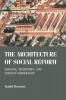
<i>The architecture of social reform</i> explores the fascinating intellectual origins of modern architecture's obsession with domesticity. Copiously illustrated Rousset's revealing analysis demonstrates how questions over aesthetics style urbanization and technology that gripped the modernist imagination were deeply ingrained in a larger concern to reform society through housing. The increasing demand for new housing in Germany's rapidly growing cities fostered critical exchanges between a heterogeneous group of actors including architects urban theorists planners and social scientists who called for society to be freed from class antagonism through the provision of good modest traditionally-minded domestic design. Offering a compelling account of architecture's ability to act socially the book provocatively argues that architectural theory underwent its most critical epistemological transformation in relation to the dynamics of modern class politics long before the arrival of the avant-garde.

Piracy-free

Assured Quality

Secure Transactions

Fast Delivery

Sustainably Printed
Details
ISBN 13
9781526159687
Publication Date
-07-06-2022
Pages
-240
Weight
-499 grams
Dimensions
-170x244x14.29 mm
