

English


Paperback
₹2055
₹2078
1.11% OFF
(All inclusive*)
Delivery Options
Please enter pincode to check delivery time.
*COD & Shipping Charges may apply on certain items.
Review final details at checkout.
Looking to place a bulk order? SUBMIT DETAILS
Delivery Options
Please enter pincode to check delivery time.
*COD & Shipping Charges may apply on certain items.
Review final details at checkout.
About The Book
Description
Author
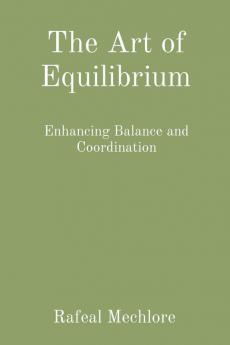
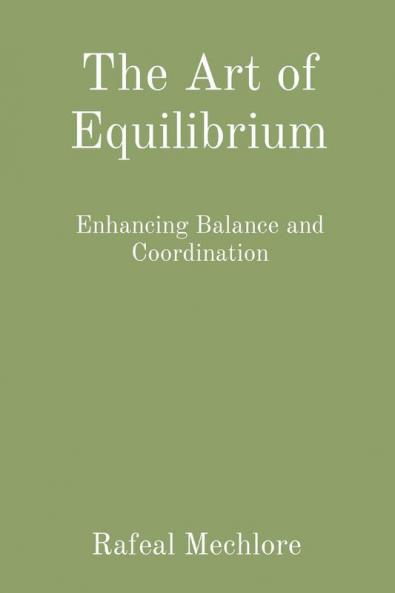
<p class=ql-align-justify>Balance and coordination are essential components of our physical well-being. Whether we are navigating a rocky trail executing a dance routine or simply rising from a chair maintaining equilibrium and coordination is fundamental to daily life. The Art of Equilibrium explores the intricate science and art behind balance and coordination offering insights into their significance and methods to enhance them.</p><p class=ql-align-justify>Balance often associated with stability is the body's ability to maintain an upright posture or control its position during motion. It is achieved through the cooperation of the sensory muscular and skeletal systems. Inner ear vision and proprioception-the awareness of the body's position-are the senses that play a pivotal role in balance. The slightest disruption in this harmonious interplay can lead to balance issues affecting daily activities and increasing the risk of falls especially among the elderly.</p><p class=ql-align-justify>Coordination on the other hand refers to the synchronization of various body parts to perform a task with precision and fluidity. This skill relies on the effective communication between the nervous system and muscles. Fine and gross motor skills are examples of coordination covering tasks as simple as handwriting or as complex as playing a musical instrument.</p><p class=ql-align-justify>Enhancing balance and coordination is vital for individuals of all ages and abilities. For athletes it can lead to improved sports performance and injury prevention. For the elderly it can preserve independence and reduce the likelihood of falls. In rehabilitation it can aid recovery from injuries and enhance overall functionality.</p><p class=ql-align-justify>The journey to better balance and coordination begins with an understanding of the neuromuscular system and the concept of proprioception. Proprioception often referred to as the sixth sense is the body's ability to perceive its position and movements. Training to heighten proprioception can significantly improve balance and coordination.</p><p class=ql-align-justify>Various exercise modalities including yoga Pilates Tai Chi and specific strength and balance exercises can effectively promote balance and coordination. These practices focus on stability mobility and motor control fostering a holistic approach to improved physical performance.</p><p class=ql-align-justify>Mental exercises and mindfulness techniques such as meditation can also play a significant role in enhancing these skills. By improving focus concentration and spatial awareness individuals can develop a heightened sense of coordination and balance reducing the risk of accidents and injuries.</p><p class=ql-align-justify>The Art of Equilibrium is not just about physical development but encompasses a holistic approach to well-being. It recognizes that physical balance and coordination are interwoven with mental acuity and emotional stability. This understanding empowers individuals to embark on a journey of self-improvement using both scientific principles and mindful practices to enrich their lives.</p><p class=ql-align-justify>In conclusion The Art of Equilibrium elucidates the science and significance of balance and coordination while offering practical insights into their enhancement. By adopting a well-rounded approach that incorporates physical exercises mental practices and mindfulness techniques individuals can strive for greater equilibrium and coordination ultimately leading to improved overall health and quality of life.</p>

Piracy-free

Assured Quality

Secure Transactions

Fast Delivery

Sustainably Printed
Details
ISBN 13
9788196668921
Publication Date
-20-10-2023
Pages
-146
Weight
-208 grams
Dimensions
-152x229x7.95 mm
