


English
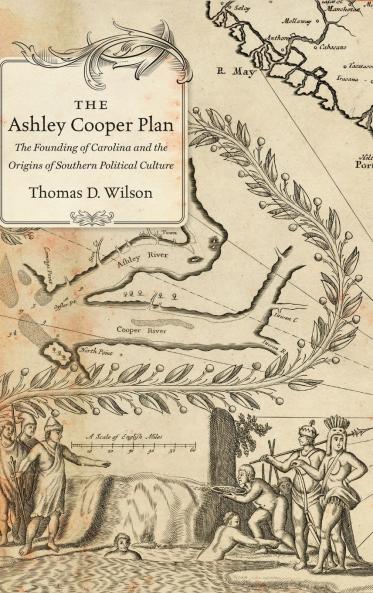


Hardback
₹10674
₹12802
16.62% OFF
(All inclusive*)
Delivery Options
Please enter pincode to check delivery time.
*COD & Shipping Charges may apply on certain items.
Review final details at checkout.
Looking to place a bulk order? SUBMIT DETAILS
Delivery Options
Please enter pincode to check delivery time.
*COD & Shipping Charges may apply on certain items.
Review final details at checkout.
About The Book
Description
Author
In this highly original work Thomas D. Wilson offers surprising new insights into the origins of the political storms we witness today. Wilson connects the Ashley Cooper Plan &#x2014; a seventeenth-century model for a well-ordered society imagined by Anthony Ashley Cooper (1st Earl of Shaftesbury) and his prot&#xE9;g&#xE9; John Locke &#x2014; to current debates about views on climate change sustainable development urbanism and professional expertise in general. In doing so he examines the ways that the city design political culture ideology and governing structures of the Province of Carolina have shaped political acts and public policy even in the present. Wilson identifies one of the fundamental paradoxes of American history: although Ashley Cooper and Locke based their model of rational planning on assumptions of equality the lure of profits to be had from slaveholding soon undermined its utopian qualities. Wilson argues that in the transition to a slave society the &#x201C;Gothic&#x201D; framework of the Carolina Fundamental Constitutions was stripped of its original imperative of class reciprocity reverberating in American politics to this day.<br/><br/>Reflecting on contemporary culture Wilson argues that the nation&#x2019;s urban-rural divide rooted in this earlier period has corrosively influenced American character pitting one demographic segment against another. While illuminating the political philosophies of Ashley Cooper and Locke as they relate to cities Wilson also provides those currently under attack by antiurbanists &#x2014; from city planners to climate scientists &#x2014; with a deeper understanding of the intellectual origins of a divided America and the long history that reinforces it.

Piracy-free

Assured Quality

Secure Transactions

Fast Delivery

Sustainably Printed
Details
ISBN 13
9781469628905
Publication Date
-01-03-2016
Pages
-320
Weight
-549 grams
Dimensions
-156x234x22.23 mm
