


English



Paperback
₹5516
₹7238
23.79% OFF
(All inclusive*)
Delivery Options
Please enter pincode to check delivery time.
*COD & Shipping Charges may apply on certain items.
Review final details at checkout.
Looking to place a bulk order? SUBMIT DETAILS
Delivery Options
Please enter pincode to check delivery time.
*COD & Shipping Charges may apply on certain items.
Review final details at checkout.
About The Book
Description
Author
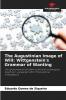
After using an Augustinian image (of language) at the beginning of the work paragraph 618 of the Philosophical Investigations again brings in an oblique voice from Augustine: I want to but my body does not obey me. The problem of weak will (akrasia) has given rise to philosophical theories about the will in libertarian versions (Augustine and James) or deterministic versions (Schopenhauer and the Stoics). Wittgenstein proposes a different approach therapeutic and grammatical aiming to elucidate deep misunderstandings rooted in the very formulation of the problems. What is the meaning of Augustine's statement about his own will? There are 17 paragraphs in the Investigations devoted to the subject (611-628) and understanding them depends on understanding the dialogical character of the discursive activity undertaken. It may seem as Wittgenstein said in the Blue Book as if we have either the wrong pieces or insufficient pieces to assemble our puzzle. But they are all there just mixed up. And in the search for a clear view of these notes we must not forget a disanalogy: It is no use using force to fit the pieces together. All we would do is look at them carefully and arrange them.

Piracy-free

Assured Quality

Secure Transactions

Fast Delivery

Sustainably Printed
Details
ISBN 13
9786202458467
Publication Date
-19-08-2025
Pages
-152
Weight
-216 grams
Dimensions
-152x229x8.96 mm
