

English


Paperback
₹446
₹525
15.05% OFF
(All inclusive*)
Delivery Options
Please enter pincode to check delivery time.
*COD & Shipping Charges may apply on certain items.
Review final details at checkout.
Looking to place a bulk order? SUBMIT DETAILS
Delivery Options
Please enter pincode to check delivery time.
*COD & Shipping Charges may apply on certain items.
Review final details at checkout.
About The Book
Description
Author
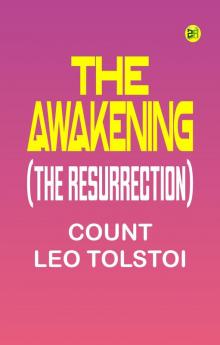
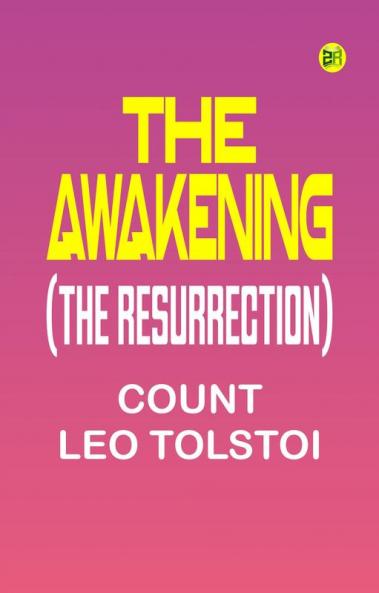
Resurrection is Tolstoy's last major novel and deals with themes of social justice morality and redemption. The narrative follows the story of Prince Dmitri Ivanovich Nekhlyudov a nobleman who serves on a jury and recognizes one of the defendants a woman named Maslova as someone he seduced and abandoned years ago. Stricken by guilt Nekhlyudov embarks on a journey of self-discovery and seeks redemption by trying to help Maslova and atone for his past actions. Tolstoy uses Resurrection as a vehicle to explore the injustices and inequalities present in late 19th-century Russian society particularly within the legal and penal systems. The novel offers profound insights into the human condition the nature of sin and forgiveness and the struggle for moral integrity in a flawed world. Resurrection is regarded as one of Tolstoy's masterpieces and remains a powerful and thought-provoking work of literature that continues to resonate with readers around the world.

Piracy-free

Assured Quality

Secure Transactions

Fast Delivery

Sustainably Printed
Details
ISBN 13
9789361018152
Publication Date
-04-04-2024
Pages
-327
Weight
-385 grams
Dimensions
-139.7x215.9x18.19 mm
