

English


Hardback
₹1910
₹3357
43.1% OFF
(All inclusive*)
Delivery Options
Please enter pincode to check delivery time.
*COD & Shipping Charges may apply on certain items.
Review final details at checkout.
Looking to place a bulk order? SUBMIT DETAILS
Delivery Options
Please enter pincode to check delivery time.
*COD & Shipping Charges may apply on certain items.
Review final details at checkout.
About The Book
Description
Author
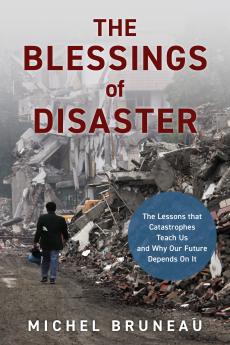
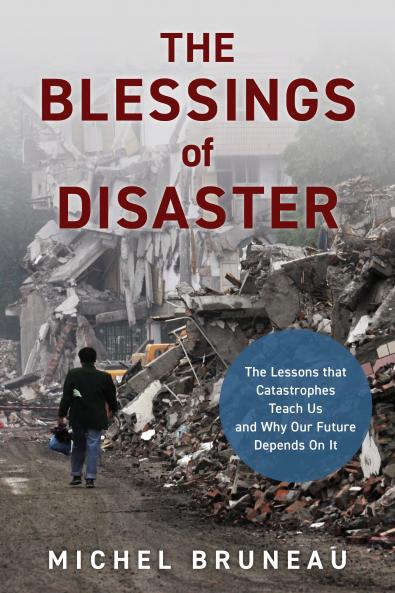
<P>Are we doomed? As individuals certainly eventually inevitably. But as a species? As a civilization? Leading catastrophe engineer Michel Bruneau thinks perhaps not. <I>The Blessings of Disaster</I> draws on knowledge from multiple disciplines to illustrate how our civilization&rsquo;s future successes and failures in dealing with societal threats&mdash;be they pandemics climate change overpopulation monetary collapse and nuclear holocaust&mdash;can be predicted by observing how we currently cope with and react to natural and technological disasters. Maybe most importantly this entertaining and often counter-intuitive book shows how we can think in better ways about disasters to strengthen and extend our existence as both individuals and as a species.</P><P></P><P>When it comes to rare extreme events such as earthquakes hurricanes floods tornados volcanic eruptions technological accidents terrorist attacks pandemics and even existential threats it is in our nature to set ourselves up for disasters because the gamble may be worth it. But only maybe.</P><P></P><P><I>The Blessing of Disaster </I>is the very real story of the relationship between humans and disasters &ndash; and it&rsquo;s not a simple one. Bringing together his decades-long career spanning the globe as an earthquake and disaster engineer detailed catastrophe case studies from extreme events like Japan&rsquo;s Kobe earthquake and category 5 hurricanes in the American South along with thoughtful and practical solutions Bruneau provides a thorough examination of the structural challenges that face today&rsquo;s (and tomorrow&rsquo;s) world.</P><P></P><P>How we cope with today&rsquo;s threats is indicative of what the future holds. Contrary to popular forecasts it is not all gloom and doom &ndash; but some of it definitely is. </P><P></P>

Piracy-free

Assured Quality

Secure Transactions

Fast Delivery

Sustainably Printed
Details
ISBN 13
9781633888234
Publication Date
-08-11-2022
Pages
-476
Weight
-727 grams
Dimensions
-152x229x26.99 mm
