


This Book is Out of Stock!
English


₹1589
₹1670
4.85% OFF
(All inclusive*)
Paperback
Delivery Options
*COD & Shipping Charges may apply on certain items.
Review final details at checkout.
Looking to place a bulk order? SUBMIT DETAILS
*COD & Shipping Charges may apply on certain items.
Review final details at checkout.
₹1589
₹1670
4% OFF
Paperback
Out Of Stock
All inclusive*
About The Book
Description
Author
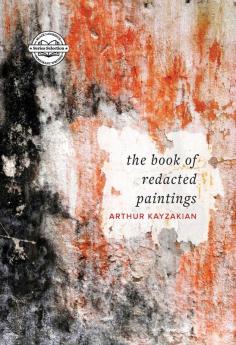
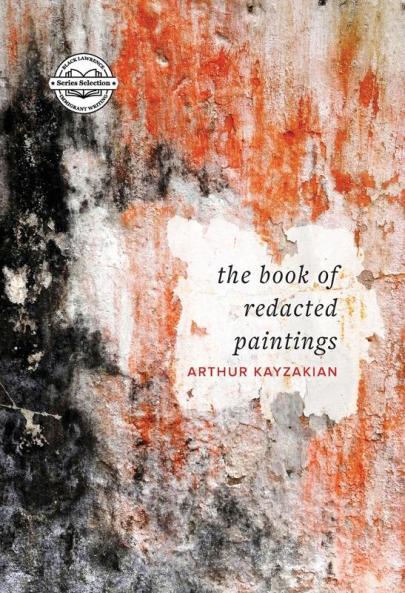
<p>Black Lawrence Press Immigrant Writing Series Selection</p><p><br></p><p>In&nbsp;<em>The Book of Redacted Paintings</em> the narrative arc follows a boy in search of his father's painting but it is unclear whether the painting exists or not. The book a poetry collection is also populated by a series of paintings. Some are real incomplete and/or missing while most are redacted from reality. The withdrawn paintings concept is the emotional arc of the book a combination of wishing one could paint the pieces he/she/they envision and the feeling of something torn out of a person due to a traumatic upbringing. A sort of erasure ekphrasis to foresee artwork that was never painted.</p><p><br></p><p>Formally various narratively propulsive and relentlessly earnest in its psychospiritual excavations Arthur Kayzakian's&nbsp;<em>The Book of Redacted Paintings</em>&nbsp;is a sincere achievement. That it represents the author's first full-length collection makes it even more remarkable. In one poem the sound of gunfire splits the wind in half. In another It rains as if heaven crashes it rains. Kayzakian's are poems of real stakes and scale of the minute and the hour and the lifetime. His subjects-art family masculinity empire-remain as timely as ever but it's the uncanny juxtapositions of lyric and visual art that make&nbsp;<em>The Book of Redacted Paintings</em>&nbsp;an unforgettable text.</p><p>-Kaveh Akbar Author of&nbsp;<em>Calling a Wolf a Wolf</em>&nbsp;and&nbsp;<em>The Pilgrim Bell</em></p><p><br></p><p>In his poignant and devastating debut collection Arthur Kayzakian skillfully excavates personal memory and family history to reclaim a missing heirloom. Through poems ranging in documentary to visual to lyrical Kayzakian confronts how the grief of war and displacement are compounded by the loss of stolen familial objects beloved items that served as a reminder of the life before. Where the harms of war are intensified by new harms these poems push against historical erasure to establish a new narrative. Kayzakian stirs with poetic prowess while achieving generational reclamation.</p><p>-Mai Der Vang Author of&nbsp;<em>Yellow Rain</em></p><p><br></p><p>I love Arthur Kayzakian's&nbsp;<em>The Book of Redacted Paintings</em>&nbsp;for its lyricism and its honestly which comes at us not directly but by way of images and music and always speaks in tongues in a way that alerts and awakens. There is both hunger and wisdom in these poems both silence inside the singing and the fresh music out of rooms that might have been silenced once. Not any more! The new original inimitable poet is in the room. Kayzakian deserves our warmest welcome.</p><p>-Ilya Kaminsky author of&nbsp;<em>Deaf Republic and Dancing in Odessa</em></p><p><br></p><p>Arthur Kazakyan's&nbsp;<em>The Book of Redacted Paintings</em>&nbsp;is a deft and daring first collection. It's also one of the best examples I've seen of a narrative sustained from poem to poem without sacrificing momentum. Constantly surprising this gallery of moments is exquisitely curated; you will want to linger here. Themes of love heritage wonder and the life of the artist are embodied in strokes that always seem fresh still drying. Forgive me collector he says I'm trying to get back to my world. Follow this exhibition it's on the move.</p><p>-Brendan Constantine Author of&nbsp;<em>Dementia My Darling</em></p><p><br></p><p><br></p><p>Poetry. Middle Eastern Studies.</p>

Piracy-free

Assured Quality

Secure Transactions

Fast Delivery

Sustainably Printed
Details
ISBN 13
9781625570512
Publication Date
-26-05-2023
Pages
-100
Weight
-169 grams
Dimensions
-165x241x5.26 mm
