

English


₹1780
₹1863
4.46% OFF
(All inclusive*)
Paperback
Delivery Options
Please enter pincode to check delivery time.
*COD & Shipping Charges may apply on certain items.
Review final details at checkout.
Looking to place a bulk order? SUBMIT DETAILS
Delivery Options
Please enter pincode to check delivery time.
*COD & Shipping Charges may apply on certain items.
Review final details at checkout.
About The Book
Description
Author
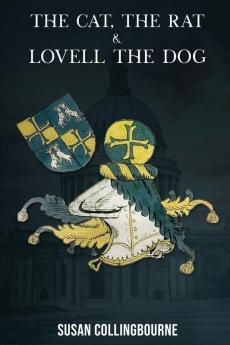
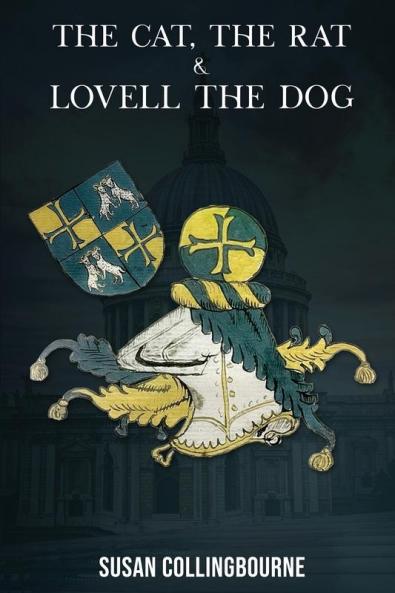
<p><em>The Cat the Rat and Lovell the Dog</em> is a story of intrigue mystery love betrayal and politics. Set in fifteenth century England during the War of the Roses the story is born from a notorious real life person William Collingbourne&nbsp;who ridiculed King Richard III by writing a seditious rhyme that he nailed to the door of St. Paul's Cathedral. He was subsequently hanged drawn and quartered for his actions. Collingbourne became something of a folk hero -a&nbsp;man who had been unjustly murdered in a most barbaric way by an evil king for simply writing a few home truths and nailing them on the door of&nbsp;St. Paul's Cathedral. The bard Charless Bukowsi's&nbsp;wrote <em>Treason</em>&nbsp;'Collin<em>gbourne crossed a king with a poem and inherited gallows at Tower Hill</em>. A later bard (anon)wrote: <em>It stands on record that in Richard's times a man was hanged for very honest rhymes.'</em></p><p>Propaganda by the Tudor's anxiously trying to justify why Henry Tudor stole Richard's crown. Was King Richard the evil monster betrayed?&nbsp;Did he usurp the crown murder&nbsp;his brother's&nbsp;sons who had been locked in the Tower of London? Was Richard an evil King? Or was Richard a King England needed who concerned himself seeking justice for the ordinary people of his realm?</p><p>Collingbourne was a favourite of the House of York. He had received many privileges high office and acquired great wealth. Research reveals his accused crime was far more serious than sedition it was a case of high treason. Why would Collingbourne&nbsp;change his allegiance from the House of York to the Lancastrian House? What is the truth of this tragic story?</p>

Piracy-free

Assured Quality

Secure Transactions

Fast Delivery

Sustainably Printed
Details
ISBN 13
9781916707023
Publication Date
-20-06-2023
Pages
-290
Weight
-396 grams
Dimensions
-152x229x20.02 mm
