

English


Paperback
₹3391
₹4369
22.38% OFF
(All inclusive*)
Delivery Options
Please enter pincode to check delivery time.
*COD & Shipping Charges may apply on certain items.
Review final details at checkout.
Looking to place a bulk order? SUBMIT DETAILS
Delivery Options
Please enter pincode to check delivery time.
*COD & Shipping Charges may apply on certain items.
Review final details at checkout.
About The Book
Description
Author
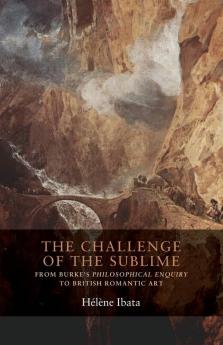
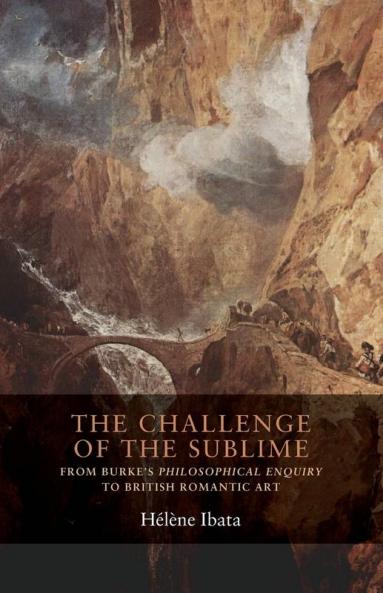
This book examines the links between the unprecedented visual inventiveness of the Romantic period in Britain and eighteenth-century theories of the sublime. Edmund Burke's<i> Philosophical Enquiry into the Origin of our Ideas of the Sublime and Beautiful</i> (1757) in particular is shown to have directly or indirectly challenged visual artists to explore not just new themes but also new compositional strategies and visual media such as panoramas and book illustrations by arguing that the sublime was beyond the reach of painting. More significantly it began to call into question mimetic representational models causing artists to reflect about the presentation of the unpresentable and drawing attention to the process of artistic production itself rather than the finished artwork.

Piracy-free

Assured Quality

Secure Transactions

Fast Delivery

Sustainably Printed
Details
ISBN 13
9781526117410
Publication Date
-16-03-2020
Pages
-342
Weight
-403 grams
Dimensions
-140x216x18.1 mm
