


English


₹2636
₹2843
7.28% OFF
(All inclusive*)
Hardback
Delivery Options
Please enter pincode to check delivery time.
*COD & Shipping Charges may apply on certain items.
Review final details at checkout.
Looking to place a bulk order? SUBMIT DETAILS
Delivery Options
Please enter pincode to check delivery time.
*COD & Shipping Charges may apply on certain items.
Review final details at checkout.
About The Book
Description
Author
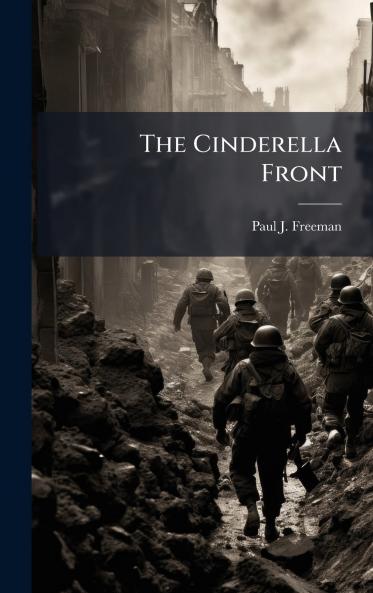
<p>This research paper examines how special operations were conducted in Yugoslavia during WW II; how did the operational art conducted fit into Allied grand strategy; and how effective were these operations? These operations were conducted using multinational coalition forces and for this reason the lessons from this examination are relevant to warriors today.<br><br>Conducting military operations almost always involve a scarcity of forces. This scarcity forces difficult decisions in development of strategic goals and conduct of operations. This difficulty is further compounded when coalition forces involve multiple nations each with their own priorities. This is the situation that existed in WW II. The US wanted a concentrated invasion of NW Europe while Britain and Russia were interested in a multi-front battle of attrition against the Axis featuring a Balkan invasion. There were inadequate forces to commit to an invasion of the Balkans but there was an opportunity to divert Axis strength from other fronts. This paper will look at Allied operations in Yugoslavia (typical Balkan operations) and analyze: 1.) the unique contextual factors influencing special operations in the Balkans during WW II 2.) operational art factors of this unconventional employment of airpower in the politically divided region and 3.) the success and/or failure of military planners and commanders in deriving military from strategic objectives and in attaining these objectives.</p><p>This work has been selected by scholars as being culturally important and is part of the knowledge base of civilization as we know it. This work was reproduced from the original artifact and remains as true to the original work as possible. Therefore you will see the original copyright references library stamps (as most of these works have been housed in our most important libraries around the world) and other notations in the work.</p><p>This work is in the public domain in the United States of America and possibly other nations. Within the United States you may freely copy and distribute this work as no entity (individual or corporate) has a copyright on the body of the work.</p><p>As a reproduction of a historical artifact this work may contain missing or blurred pages poor pictures errant marks etc. Scholars believe and we concur that this work is important enough to be preserved reproduced and made generally available to the public. We appreciate your support of the preservation process and thank you for being an important part of keeping this knowledge alive and relevant.</p><br>

Piracy-free

Assured Quality

Secure Transactions

Fast Delivery

Sustainably Printed
Details
ISBN 13
9781025096483
Publication Date
-22-05-2025
Pages
-56
Weight
-187 grams
Dimensions
-156x234x6.35 mm
