

English


₹9409
₹12064
22.01% OFF
(All inclusive*)
Hardback
Delivery Options
Please enter pincode to check delivery time.
*COD & Shipping Charges may apply on certain items.
Review final details at checkout.
Looking to place a bulk order? SUBMIT DETAILS
Delivery Options
Please enter pincode to check delivery time.
*COD & Shipping Charges may apply on certain items.
Review final details at checkout.
About The Book
Description
Author
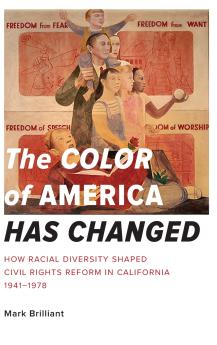
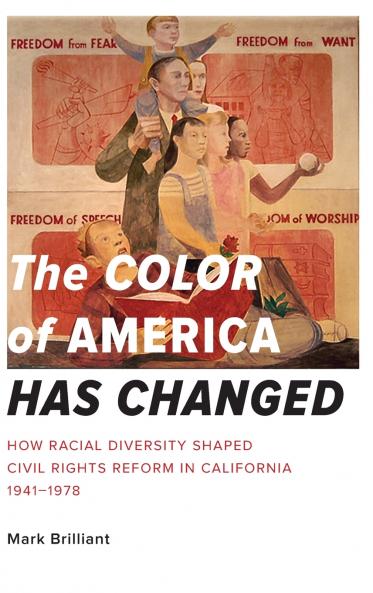
Historians of the Civil Rights Movement have long set their sights on the struggles of African Americans in the South and more recently North. In doing so they either omit the West or merge it with the North defined as anything outside the former Confederacy. Historians of the American West have long set the region apart from the South and North citing racial diversity as one of the West''s defining characteristics. This book integrates the two examining the Civil Rights Movement in the West in order to bring the West to the Civil Rights Movement. In particular it explores the challenge that California''s racial diversity posed for building a multiracial civil rights movement focusing on litigation and legislation initiatives advanced by civil rights reformers (lawyers legislators and advocacy organizations) on behalf of the state''s different racial groups. A tension between sameness and difference cut through California''s civil rights history. On the one hand the state''s civil rights reformers embraced a common goal - equality of opportunity through anti-discrimination litigation and legislation. To this end they often analogized the plights of racial minorities accentuating the racism in general that each group faced in order to help facilitate coalition building across groups. This tension - and its implications for the cultivation of a multiracial civil rights movement - manifested itself from the moment that one San Francisco-based NAACP leader expressed his wish for a united front of all the minority groups in 1944. Variations proved major enough to force the litigation down discrete paths reflective of how legalized segregation affected African Americans Japanese Americans and Mexican Americans in different ways. This same but different tension continued into the 1950s and 1960s as civil rights reformers ventured down anti-discrimination roads that began where legalized segregation ended. In the end despite their endorsement of a common goal and calls for a common struggle California''s civil rights reformers managed to secure little coalescence - and certainly nothing comparable to the movement in the South. Instead the state''s civil rights struggles unfolded along paths that were mostly separate. The different axes of racialized discrimination that confronted the state''s different racialized groups called forth different avenues of redress creating a civil rights landscape criss-crossed with color lines rather than bi-sected by any single color line.

Piracy-free

Assured Quality

Secure Transactions

Fast Delivery

Sustainably Printed
Details
ISBN 13
9780195160505
Publication Date
-31-01-2014
Pages
-382
Weight
-634 grams
Dimensions
-156x234x22.23 mm
