

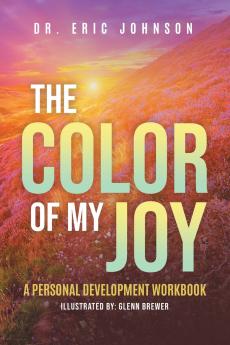
English
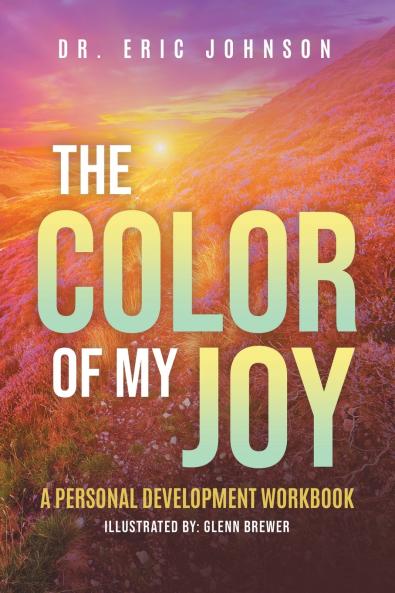


₹1269
₹1634
22.34% OFF
(All inclusive*)
Paperback
Delivery Options
Please enter pincode to check delivery time.
*COD & Shipping Charges may apply on certain items.
Review final details at checkout.
Looking to place a bulk order? SUBMIT DETAILS
Delivery Options
Please enter pincode to check delivery time.
*COD & Shipping Charges may apply on certain items.
Review final details at checkout.
About The Book
Description
Author
<p><span style=color: rgba(32 32 32 1); background-color: rgba(255 255 255 1)>Color plays a significant role in the way we perceive and interact with the world. Beyond aesthetics colors deeply influence our emotions psychological state and overall sense of joy. The connection between color and emotion is not only rooted in cultural symbolism but also in physiological responses that occur within our brains and bodies.</span></p><p></p><p><span style=color: rgba(32 32 32 1); background-color: rgba(255 255 255 1)>When light enters our eyes it is interpreted by the brain as different colors depending on the wavelength. These colors can trigger various psychological responses. For instance warm colors like red and yellow are often associated with energy and excitement while cool colors such as blue and green tend to evoke calmness and tranquility. These reactions are not purely subjective; they are shaped by both biology and learned associations.</span></p><p></p><p><span style=color: rgba(32 32 32 1); background-color: rgba(255 255 255 1)>Colors have the power to evoke strong emotional responses. Red can often stimulate feelings of passion urgency or even aggression. Blue often promotes a sense of calm trust and stability. Yellow is linked to happiness and optimism while green is soothing and associated with nature and renewal.</span></p><p></p><p><span style=color: rgba(32 32 32 1); background-color: rgba(255 255 255 1)>These associations are used intentionally in various fields. In marketing and branding companies choose colors that align with the desired emotions of their target audience. In interior design colors are selected to create atmospheres that enhance comfort creativity or relaxation.</span></p>

Piracy-free

Assured Quality

Secure Transactions

Fast Delivery

Sustainably Printed
Details
ISBN 13
9798901241363
Publication Date
-12-12-2025
Pages
-96
Weight
-142 grams
Dimensions
-152x229x6.63 mm
