



₹2694
₹3495
22.92% OFF
(All inclusive*)
Paperback
Delivery Options
Please enter pincode to check delivery time.
*COD & Shipping Charges may apply on certain items.
Review final details at checkout.
Looking to place a bulk order? SUBMIT DETAILS
Delivery Options
Please enter pincode to check delivery time.
*COD & Shipping Charges may apply on certain items.
Review final details at checkout.
About The Book
Description
Author(s)
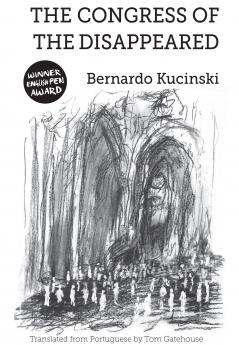
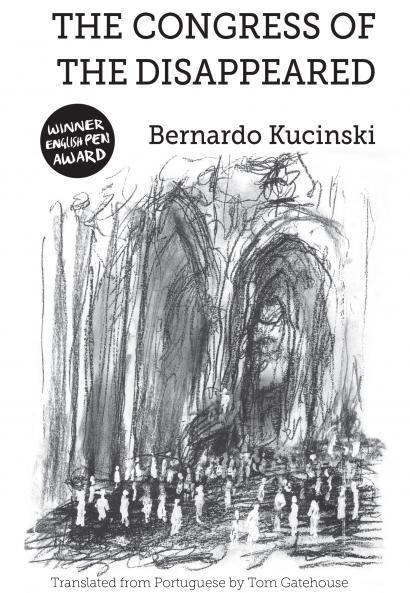
'They came from all corners of the country. At last the Brazil of the disappeared revealed itself.' In Kucinski's novella the ghosts of those disappeared by Brazil's military dictatorship come together and organize a congress. Together these ghosts tell the story of what happened to them reflect critically on their past militancy and debate how to respond to the outbreak of fascism of the Bolsonaro period. These veterans from the struggle of the 1960s and 70s are joined in this endeavour by some iconic figures from Brazilian history as well as more recent victims of state and para-state violence. These include young black men killed in the favelas Indigenous Brazilians and people murdered in the countryside for opposing the expansion of agribusiness and wildcat mining. In the imagined space of the congress Kucinski draws a line from the state violence of Brazil's military dictatorship (and since) to the genocide and slavery of the colonial period in Latin America. He gives a voice to the victims especially the disappeared allowing them to challenge the attempt to erase them from history and denounce a culture of impunity which continues to pollute Brazilian politics today.

Piracy-free

Assured Quality

Secure Transactions

Fast Delivery

Sustainably Printed
Details
ISBN 13
9781788534222
Publication Date
-30-09-2025
Pages
-136
Weight
-152 grams
Dimensions
-133x203x9.39 mm
