


English


Paperback
₹222
₹350
36.57% OFF
(All inclusive*)
Delivery Options
Please enter pincode to check delivery time.
*COD & Shipping Charges may apply on certain items.
Review final details at checkout.
Looking to place a bulk order? SUBMIT DETAILS
Delivery Options
Please enter pincode to check delivery time.
*COD & Shipping Charges may apply on certain items.
Review final details at checkout.
About The Book
Description
Author
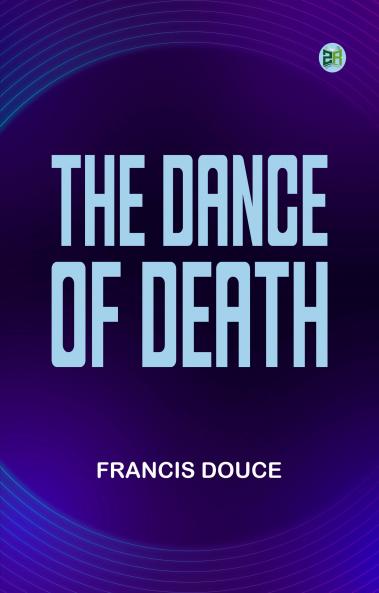
The Dance of Death edited by Francis Douce is an exploration of the medieval allegory known as Danse Macabre which depicts the inevitability of death and the universal nature of mortality. The work features a series of illustrations and texts that represent various social classes—from the wealthy to the poor—being called to dance with Death emphasizing that death comes for everyone regardless of status or wealth. Douce an antiquarian and Shakespearean scholar provides commentary that situates this imagery within its historical and cultural context highlighting its significance in medieval art and literature. The illustrations accompanying Douce’s text draw from various sources showcasing the visual representation of the Dance of Death that was prevalent in churches and public spaces during the late Middle Ages. This motif served as a reminder of the transience of life and the importance of living virtuously in preparation for death. The lively and often ironic depictions of Death engaging with people from all walks of life underscore the idea that death is an equalizer inviting viewers to reflect on their own lives and mortality.

Piracy-free

Assured Quality

Secure Transactions

Fast Delivery

Sustainably Printed
Details
ISBN 13
9789362770868
Publication Date
-11-11-2024
Pages
-200
Weight
-242 grams
Dimensions
-139.7x215.9x11.32 mm
