


This Book is Out of Stock!
English


Paperback
₹4461
₹5095
12.44% OFF
(All inclusive*)
Delivery Options
*COD & Shipping Charges may apply on certain items.
Review final details at checkout.
Looking to place a bulk order? SUBMIT DETAILS
*COD & Shipping Charges may apply on certain items.
Review final details at checkout.
₹4461
₹5095
12% OFF
Paperback
Out Of Stock
All inclusive*
About The Book
Description
Author
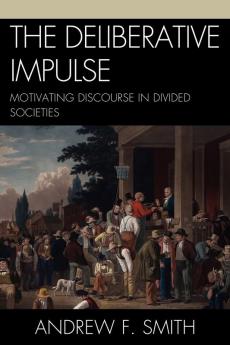
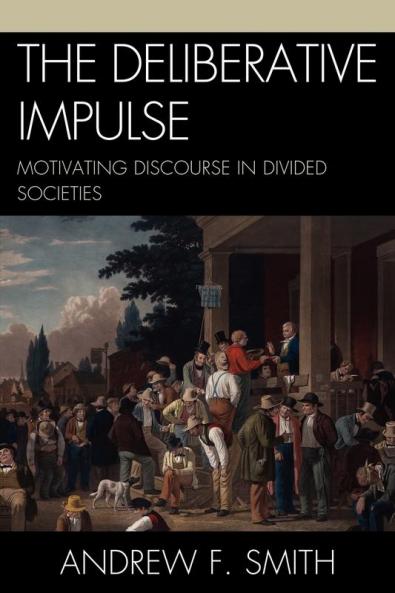
What can motivate citizens in divided societies to engage in free open and reasoned dialogue? Attempts by philosophers to answer this question focus largely on elucidating what citizens owe to one another as free and equal citizens as members of a shared social context or as agents who are mutually dependent on one another for our well-being. In The Deliberative Impulse: Motivating Discourse in Divided Societies Andrew F. Smith suggests that that a better answer can be offered in terms of what we owe to our convictions. Given the defining role they play in how we live our lives and regard ourselves among the highest-order interests that we maintain is being in a position to do right by our convictions_to abide by conscience. By developing a clear understanding of how best to act on this interest we see that we are well served by engaging in public deliberation. Particularly for citizens in societies that are fragmented along ethnic cultural ideological and religious lines our interest in abiding by conscience should give us clear moral epistemic and religious incentives to deliberatively engage with allies and adversaries alike. Scholars who focus on issues in political philosophy ethics and political theory will value this book for how it suggests we can overcome the motivational roadblocks to active political participation and robust deliberation.

Piracy-free

Assured Quality

Secure Transactions

Fast Delivery

Sustainably Printed
Details
ISBN 13
9780739146101
Publication Date
-22-02-2011
Pages
-198
Weight
-276 grams
Dimensions
-152.4x228.6x10.77 mm
