


English



Paperback
₹5332
₹5345
0.24% OFF
(All inclusive*)
Delivery Options
Please enter pincode to check delivery time.
*COD & Shipping Charges may apply on certain items.
Review final details at checkout.
Looking to place a bulk order? SUBMIT DETAILS
Delivery Options
Please enter pincode to check delivery time.
*COD & Shipping Charges may apply on certain items.
Review final details at checkout.
About The Book
Description
Author
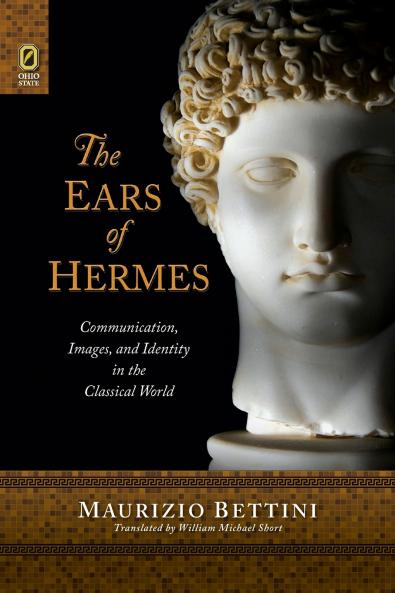
<div> <div>Though in many respects similar to us moderns the Greeks and Romans often conceived things differently than we do. The cultural inheritance we have received from them can therefore open our eyes to many manners of life we might otherwise overlook. The ancients told fascinating-but different-stories; they elaborated profound-but different-symbols. Above all they confronted many of the problems we still face today-memory and forgetfulness; identity and its strategies; absolutist moralism and behavioral relativity-only in profoundly different ways since their own cultural forms and resources were different. In <i>The Ears of Hermes:</i> <i>Communication Images and Identity in the Classical World</i> renowned scholar and author Maurizio Bettini explores these <i>different</i> cultural experiences choosing paths through this territory that are diverse and sometimes unexpected: a little-known variant of a myth or legend such as that of Brutus pretending like Hamlet to be a Fool; a proverb like <i>lupus in fabula</i> (the wolf in the tale) that expresses the sense of foreboding aroused by the sudden arrival of someone who was just the subject of conversation; or great works like Plautus' <i>Amphitruo</i> and Vergil's <i>Aeneid</i> where we encounter the mysteries of the <i>Doppelgänger</i> and of doubles fabricated to ease the pain of nostalgia. Or the etymology of a word-its own story-leads us down some unforeseen avenue of discovery. While scholarly in presentation this book in an elegant English translation by William Michael Short will appeal not only to classicists but also students as well as to anthropologists and historians of art and literature beyond classics.</div> <div>&nbsp;</div> </div>

Piracy-free

Assured Quality

Secure Transactions

Fast Delivery

Sustainably Printed
Details
ISBN 13
9780814256152
Publication Date
-09-10-2020
Pages
-296
Weight
-404 grams
Dimensions
-152x229x16.9 mm
