

English



₹12795
(All inclusive*)
Hardback
Delivery Options
Please enter pincode to check delivery time.
*COD & Shipping Charges may apply on certain items.
Review final details at checkout.
Looking to place a bulk order? SUBMIT DETAILS
Delivery Options
Please enter pincode to check delivery time.
*COD & Shipping Charges may apply on certain items.
Review final details at checkout.
About The Book
Description
Author(s)
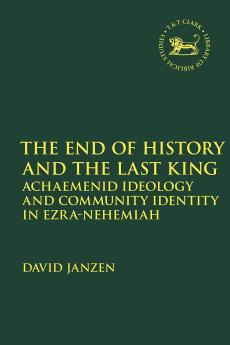
<p>This book examines community identity in the post-exilic temple community in Ezra-Nehemiah and explores the possible influences that the Achaemenids the ruling Persian dynasty might have had on its construction. In the book David Janzen reads Ezra-Nehemiah in dialogue with the Achaemenids' Old Persian inscriptions as well as with other media the dynasty used such as reliefs seals coins architecture and imperial parks. In addition he discusses the cultural and religious background of Achaemenid thought especially its intersections with Zoroastrian beliefs. <p/>Ezra-Nehemiah Janzen argues accepts Achaemenid claims for the necessity and beneficence of their hegemony. The result is that Ezra-Nehemiah like the imperial ideology it mimics claims that divine and royal wills are entirely aligned. Ezra-Nehemiah reflects the Achaemenid assertion that the peoples they have colonized are incapable of living in peace and happiness without the Persian rule that God established to benefit humanity and that the dynasty rewards the peoples who do what they desire since that reflects divine desire. <p/> The final chapter of the book argues that Ezra-Nehemiah was produced by an elite group within the Persian-period temple assembly and shows that Ezra-Nehemiah's pro-Achaemenid worldview was not widely accepted within that community.</p>

Piracy-free

Assured Quality

Secure Transactions

Fast Delivery

Sustainably Printed
Details
ISBN 13
9780567698018
Publication Date
-11-02-2021
Pages
-288
Weight
-505 grams
Dimensions
-156x234x16.8 mm
