

English


Hardback
₹13117
₹17403
24.63% OFF
(All inclusive*)
Delivery Options
Please enter pincode to check delivery time.
*COD & Shipping Charges may apply on certain items.
Review final details at checkout.
Looking to place a bulk order? SUBMIT DETAILS
Delivery Options
Please enter pincode to check delivery time.
*COD & Shipping Charges may apply on certain items.
Review final details at checkout.
About The Book
Description
Author
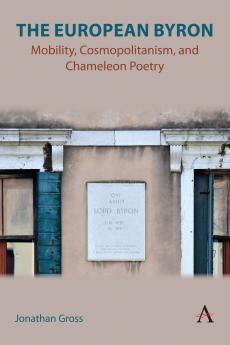
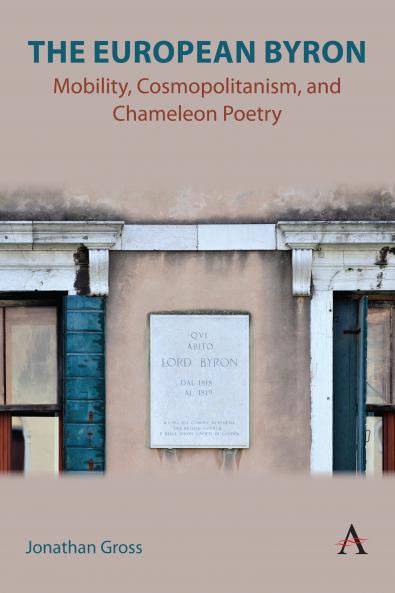
<p>Byron concealed himself in various literary disguises a process he called mobility. In this study of influences on Byron's verse and Byron's European impact I explore these borrowings and transformations as they manifested themselves in his reading. At issue is the very concept of romantic poetic voice. Framing himself in the tradition of the Irish yet cosmopolitan Thomas Moore Byron adopted continental guises imitating both Italian writers and political heroes such as Dante Machiavelli and Tasso. In establishing an Italian identity Byron relied upon the Italian writers he translated (Pulci Dante) Thomas Moore's Fudge Family in Paris and Shelley's Julian and Maddalo as well as Goethe's Faust. This Europeanization of Byron should not conceal the fact that Byron adopted poses from his predecessors such as Walter Scott in order to fashion himself as a Scottish poet who also happened to be English. Byron became the writers he read: Moore Shelley Wordsworth Scott Foscolo Lady Morgan and Madame de Staël. Those who imitated Byron particularly Alexander Pushkin and Adam Mickiewicz became the best interpreters of his literary example while transforming it and explained what it meant to be a Harold in Muscovite Cloak or a Polish Byron to be both delimited and emancipated by Byron's example.</p>

Piracy-free

Assured Quality

Secure Transactions

Fast Delivery

Sustainably Printed
Details
ISBN 13
9781839991424
Publication Date
-16-09-2025
Pages
-292
Weight
-487 grams
Dimensions
-152x229x20.64 mm
