

English


₹3442
₹3910
11.97% OFF
(All inclusive*)
Paperback
Delivery Options
Please enter pincode to check delivery time.
*COD & Shipping Charges may apply on certain items.
Review final details at checkout.
Looking to place a bulk order? SUBMIT DETAILS
Delivery Options
Please enter pincode to check delivery time.
*COD & Shipping Charges may apply on certain items.
Review final details at checkout.
About The Book
Description
Author
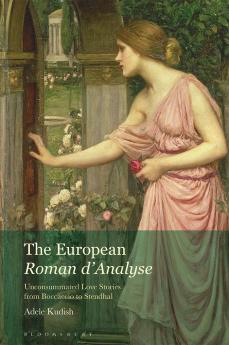
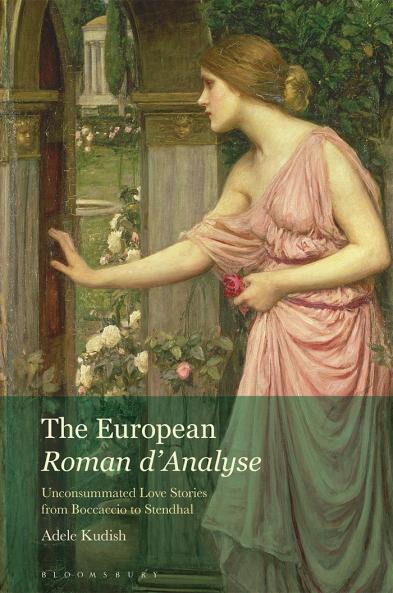
Through close readings of a selection of European novels and novellas written between 1340 and 1827 this study of analytical fiction<i></i>examines how unconsummated love stories probe the frailty of self-knowledge. Tracing elements of what the French call the <i>roman d'analyse</i> in the works of Boccaccio Marguerite de Navarre Cervantes Marie de Lafayette Samuel Richardson Jane Austen and Stendhal Adele Kudish discusses how the metaphor of unconsummated love is deployed to represent a fundamental lack of insight into the self. <br/><br/>Rather than depicting the mind as transparent analytical fiction deals in the opacity of the mind. Narrators and characters are faced with deception misprision doubt and confusion leading to self-deception jealousy and crises of self. <i>The European Roman d'Analyse</i> reads such epistemological failures as symptoms of a more fundamental preoccupation with the human psyche as un-chartable and bizarre. In this way the authors of <i>romans d'analyse</i> enact a larger philosophical project: an anatomy of the psyche wherein we are unable-or unwilling-to know ourselves.

Piracy-free

Assured Quality

Secure Transactions

Fast Delivery

Sustainably Printed
Details
ISBN 13
9781501373756
Publication Date
-29-07-2021
Pages
-230
Weight
-318 grams
Dimensions
-152.4x228.6x12.42 mm
