

English


Paperback
₹2788
₹3532
21.06% OFF
(All inclusive*)
Delivery Options
Please enter pincode to check delivery time.
*COD & Shipping Charges may apply on certain items.
Review final details at checkout.
Looking to place a bulk order? SUBMIT DETAILS
Delivery Options
Please enter pincode to check delivery time.
*COD & Shipping Charges may apply on certain items.
Review final details at checkout.
About The Book
Description
Author
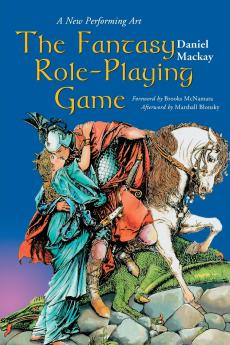
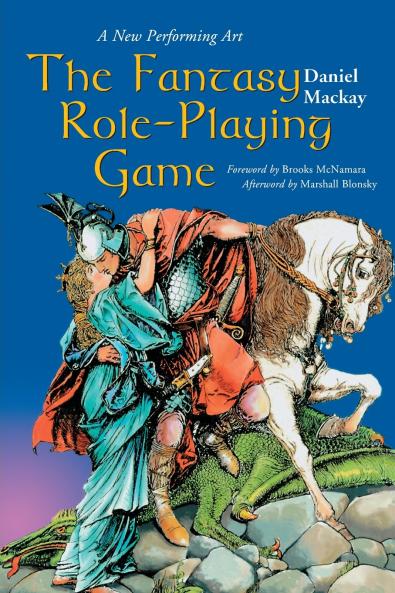
<p> Many of today's hottest selling games--both non-electronic and electronic--focus on such elements as shooting up as many bad guys as one can (Duke Nuk'em) beating the toughest level (Mortal Kombat) collecting all the cards (Pokemon) and scoring the most points (Tetris). Fantasy role-playing games (Dungeons & Dragons Rolemaster GURPS) while they may involve some of those aforementioned elements rarely focus on them. Instead playing a fantasy role-playing game is much like acting out a scene from a play movie or book only without a predefined script. Players take on such roles as wise wizards noble knights roguish sellswords crafty hobbits greedy dwarves and anything else one can imagine and the referee allows. The players don't exactly compete; instead they interact with each other and with the fantasy setting. The game is played orally with no game board and although the referee usually has a storyline planned for a game much of the action is impromptu.</p><p> Performance is a major part of role-playing and role-playing games as a performing art is the subject of this book which attempts to introduce an appreciation for the performance aesthetics of such games. The author provides the framework for a critical model useful in understanding the art--especially in terms of aesthetics--of role-playing games. The book also serves as a contribution to the beginnings of a body of criticism theory and aesthetics analysis of a mostly unrecognized and newly developing art form. There are four parts: the <I>cultural structure</I> the extent to which the game relates to outside cultural elements; the <I>formal structure</I> or the rules of the game; the <I>social structure</I> which encompasses the degree and quality of social interaction among players; and the <I>aesthetic structure</I> concerned with the emergence of role-playing as an art form.</p>

Piracy-free

Assured Quality

Secure Transactions

Fast Delivery

Sustainably Printed
Details
ISBN 13
9780786408153
Publication Date
-14-03-2001
Pages
-216
Weight
-299 grams
Dimensions
-152x229x12.53 mm
