

English


₹1558
₹1700
8.35% OFF
(All inclusive*)
Paperback
Delivery Options
Please enter pincode to check delivery time.
*COD & Shipping Charges may apply on certain items.
Review final details at checkout.
Looking to place a bulk order? SUBMIT DETAILS
Delivery Options
Please enter pincode to check delivery time.
*COD & Shipping Charges may apply on certain items.
Review final details at checkout.
About The Book
Description
Author
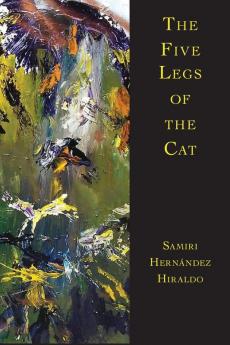
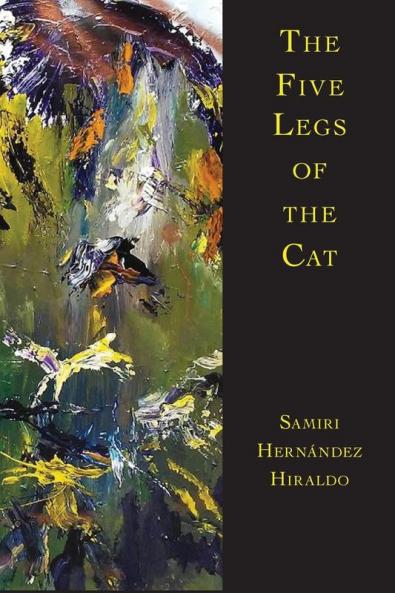
<p>This book takes the readers on a journey beginning in Puerto Rico to different parts of the world on foot. The reader does not have to actually be on foot to join different events and experiences from the perspective of the legs. However the reader might start seeing legs everywhere perhaps themselves having more than two legs and/or like a cat having multiple lives. </p><p><br></p><p>In Puerto Rico there is the common idiom She is always looking for the five legs of the cat. It is said when someone is believed to try to complicate matters by overlooking and overanalyzing the situation. It assumes that this will lead to feeling overwhelmed distressed and to internal and external conflict. It can be said in a funny way while adding a sarcastic compliment of being creative. However more often is meant as a critique even a severe one. Through poetry this book embraces the challenge of accepting some of the idiom's veracity while leaving it up to the readers to come to their final conclusion. </p><p><br></p><p>The book is divided into seven parts including the five legs of the cat. The first part is about my childhood and youth experiences as they happened. The second part stays closer to home with childhood and youth experiences while adding a more nostalgic and reflective tone. The third part starts looking closely at the legs around the world from a critical perspective. The next part is about capturing the legs literally at different positions and their implications in different situations. The fifth part can be considered Ars Poetica by showing the process of turning the legs/the feet into poetry. This is followed by a section on the legs making different arts and becoming playful. The seventh and last part is about the legs at the end of life and perhaps taking us into the next one. </p><p><br></p><p><em>The Five of Legs of the Cat</em> goes from a more narrative and prosaic to more reflective and experimental style; from the mundane to the existential the local to the international the simpler to the complex experiences in life. It covers a wide variety of topics such as gender religion/faith relationships race the body in general love memory the arts food health issues death migration the environment domestic violence war and other injustices. The book can be considered an autoethnography a poetic ethnography or an ethnographic poetry within the context of literary anthropology and native anthropology. </p><p><br></p><p><br></p>

Piracy-free

Assured Quality

Secure Transactions

Fast Delivery

Sustainably Printed
Details
ISBN 13
9781732952195
Publication Date
-30-04-2021
Pages
-130
Weight
-187 grams
Dimensions
-152x229x7.75 mm
