


English



Paperback
₹8533
(All inclusive*)
Delivery Options
Please enter pincode to check delivery time.
*COD & Shipping Charges may apply on certain items.
Review final details at checkout.
Looking to place a bulk order? SUBMIT DETAILS
Delivery Options
Please enter pincode to check delivery time.
*COD & Shipping Charges may apply on certain items.
Review final details at checkout.
About The Book
Description
Author
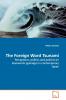
The massive postwar wave of mostly Englishloanwords (gairaigo) entering Japanese has met withmixed responses ranging from puristic criticism toenthusiastic praise. Supporters view this influx ofnew words as modernising and enriching the language.Opponents see them as confusing and damaging both thelanguage and culture and leading to excessiveWesternisation social division and culturalshallowness. Some see gairaigo as part of theinevitable or even welcome phenomenon ofglobalisation. This book examines the dimensions ofthe gairaigo phenomenon within the context oflanguage and cultural change. It presents thearguments issues and debates the gairaigo phenomenonhas prompted amongst academics social commentatorspoliticians language planners journalists businesspeople and members of the public. Original data isprovided throughout and most of this material is nototherwise available in English. This book will be ofvalue to people interested in language change theJapanese media cultural and political debates aboutJapanese identity the linkages between politicsacademia and the bureaucracy as well as Japanesepeople's attitudes to English and the West.

Piracy-free

Assured Quality

Secure Transactions

Fast Delivery

Sustainably Printed
Details
ISBN 13
9783639177428
Publication Date
-12-07-2009
Pages
-296
Weight
-404 grams
Dimensions
-150x220x15.81 mm
