


English

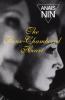


Paperback
₹1575
₹1628
3.26% OFF
(All inclusive*)
Delivery Options
Please enter pincode to check delivery time.
*COD & Shipping Charges may apply on certain items.
Review final details at checkout.
Looking to place a bulk order? SUBMIT DETAILS
Delivery Options
Please enter pincode to check delivery time.
*COD & Shipping Charges may apply on certain items.
Review final details at checkout.
About The Book
Description
Author
<div> <div><i><b>The Four-Chambered Heart</b></i> Anaïs Nin's 1950 novel recounts the real-life affair she conducted with café guitarist Gonzalo Moré in 1936. Nin and Moré rented a house-boat on the Seine and under the pervading influence of the boat's watchman and Moré's wife Helba developed a relationship. Moré; named the boat <i>Nanankepichu</i> meaning not really a home.<br> <br> In the novel which Nin drew from her experiences on the boat the characters are clearly based. Djuna is an embodiment of Nin herself. A young dancer in search of fulfillment she encapsulates all that the author was striving for at that time. The character of Djuna features in other novels perhaps weaving a directly autobiographical thread into Nin's fiction. The gypsy musician Rango is therefore Moré and his invalid wife is Zora. The old watchman is present as a force which along with Zora works against the lovers in their quest for happiness.<br> <br> Nin's main concern is the outside and how it affects the interior. Water is a cleverly used theme. I have no great fear of depths says Djuna and a great fear of shallow living. Rango and Djuna's relationship is in effect their effort to remain afloat. Often Nin employs a stream of consciousness especially in her flowing analyses of love life and music which continues the water image.<br> <br> Anaïs Nin's writing is typically exquisite in its detail and texture. She describes Paris: its black lacquered cobblestones and silver filigree trees. The humid scarfs of fog on the river and the sharp incense of roasted chestnuts reveal their source through their reality: Nin's personal experience.</div> </div>

Piracy-free

Assured Quality

Secure Transactions

Fast Delivery

Sustainably Printed
Details
ISBN 13
9780804001212
Publication Date
-01-01-1959
Pages
-188
Weight
-229 grams
Dimensions
-140x216x10.15 mm
