



English




₹14078
₹18553
24.12% OFF
(All inclusive*)
Hardback
Delivery Options
Please enter pincode to check delivery time.
*COD & Shipping Charges may apply on certain items.
Review final details at checkout.
Looking to place a bulk order? SUBMIT DETAILS
Delivery Options
Please enter pincode to check delivery time.
*COD & Shipping Charges may apply on certain items.
Review final details at checkout.
About The Book
Description
Author
Shoutouts
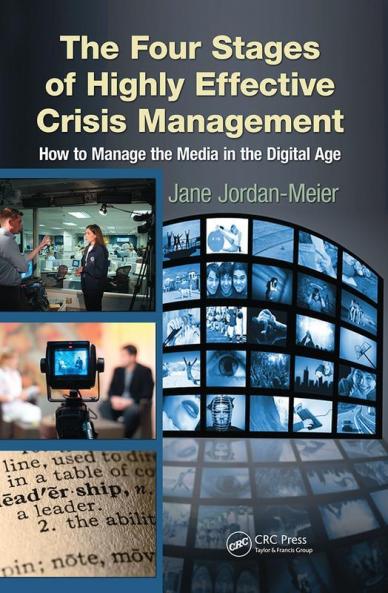
<p>From the Japanese tsunami and the Egyptian revolution to the Haitian earthquake and the Australian floods social media has proven its power to unite coalesce support champion and save lives. Presenting cutting-edge media communication solutions <strong>The Four Stages of Highly Effective Crisis Management</strong> explains how to choose the appropriate language and media outlet to properly convey your message during and after a crisis.</p><p>Unveiling the secrets of how to manage the media in a crisis the book examines how rapidly evolving social media and Web 2.0 technologies have changed the crisis management landscape. It illustrates the four distinct stages of media reporting during a crisis and details the information that must be provided. The author provides readers with a wealth of helpful tips and tools—including guidelines checklists and case studies that illustrate best practices in crisis media management. Divided into five sections the book:</p><ul> <p> </p> <li>Examines how the kingdom of news has changed and considers the new hybrid model that is emerging </li> <li>Identifies the four distinct stages in which both old and new media report a crisis </li> <li>Addresses the use of spokespeople according to the four stages as well as when to use the chief executive officer </li> <li>Discusses media interviews including how to handle news conferences bloggers and the importance of media training </li> <li>Considers the communication aspects of crisis management—including how to harness the power of Facebook Twitter YouTube Digg Wikipedia Flickr and social media releases</li> </ul><p>The book’s resource-rich appendices include a checklist for briefing a spokesperson sample media release a step-by-step flowchart for creating a crisis communication plan and social media policy guidelines. Complete with a detailed guide on what tools to use and when to use them this book provides the techniques and understanding required to communicate effectively and avoid any potential bad press and embarrassment that could result from information mismanagement. </p><p>Jane Jordan-Meier was <a href=http://www.management-issues.com/2011/7/22/opinion/are-you-ready-for-your-crisis.asp>interviewed</a> about leadership in a crisis and the stages of a crisis in the wake of the Murdoch phone-hacking scandal. She also discusses crisis management planning in <a href=http://www.smh.com.au/small-business/managing/dont-panic-get-a-crisis-management-plan-20110526-1f57c.html>The Sydney Morning Herald</a> and in <a href=http://dailyovation.com/2011/06/30/anthony-weiner-jane-jordan-meier-crisis-management/>Daily Ovation</a>. She was interviewed in August 2011 by <a href=http://www.globeinvestor.com/servlet/ArticleNews/story/GAM/20110801/RBMANAGERMAIN0801ATL/>Globe and Mail</a>.</p><p> <a href=http://crisismanagementbook.com/>Discover more </a>about the book including a video of the author explaining how to turn media questions into gold and visit <a href=http://www.smallbusinessadvocate.com/small-business-interviews/jane-jordan-meier-12145>smallbusinessadvocate.com</a> for a series of recent interviews.</p><p> Jane Jordan-Meier appeared in a <a href=http://www.melissaagnes.com/book-review-the-four-stages-of-highly-effective-crisis-management-by-jane-jordan-meier-interview/>video interview</a> with Crisis Manager Melissa Agnes on July 3 2012.</p>

Piracy-free

Assured Quality

Secure Transactions

Fast Delivery

Sustainably Printed
Details
ISBN 13
9781439853733
Publication Date
-14-03-2011
Pages
-320
Weight
-549 grams
Dimensions
-156x234x18.44 mm
Imprint
-CRC Press
