

English


₹8093
₹11294
28.34% OFF
(All inclusive*)
Paperback
Delivery Options
Please enter pincode to check delivery time.
*COD & Shipping Charges may apply on certain items.
Review final details at checkout.
Looking to place a bulk order? SUBMIT DETAILS
Delivery Options
Please enter pincode to check delivery time.
*COD & Shipping Charges may apply on certain items.
Review final details at checkout.
About The Book
Description
Author
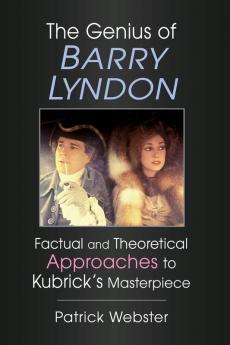
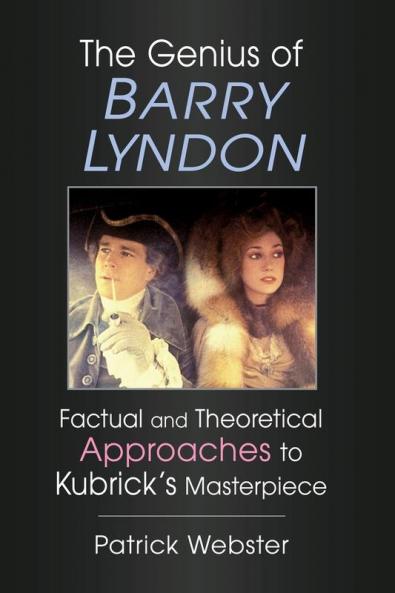
<p> One of the most visually compelling films ever made <I>Barry Lyndon</I> can--and should argues the author--be seen as Stanley Kubrick's masterpiece. This comprehensive analysis examines such topics as the unique way in which Kubrick photographed the film Kubrick's subtle understanding of cinematic storytelling the deliberate upturning of generic expectation and the eclectic use of music. It also provides a more rigorous reading of the film from a diverse range of theoretical approaches: structuralist feminist psychoanalytical Marxist and postcolonial readings. </p>

Piracy-free

Assured Quality

Secure Transactions

Fast Delivery

Sustainably Printed
Details
ISBN 13
9781476689975
Publication Date
-15-04-2024
Pages
-286
Weight
-391 grams
Dimensions
-152x229x16.36 mm
