

English


₹4377
₹5032
13.02% OFF
(All inclusive*)
Paperback
Delivery Options
Please enter pincode to check delivery time.
*COD & Shipping Charges may apply on certain items.
Review final details at checkout.
Looking to place a bulk order? SUBMIT DETAILS
Delivery Options
Please enter pincode to check delivery time.
*COD & Shipping Charges may apply on certain items.
Review final details at checkout.
About The Book
Description
Author
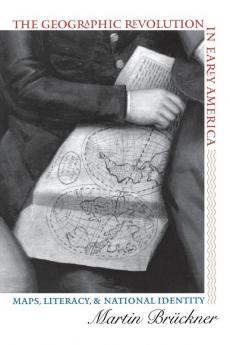
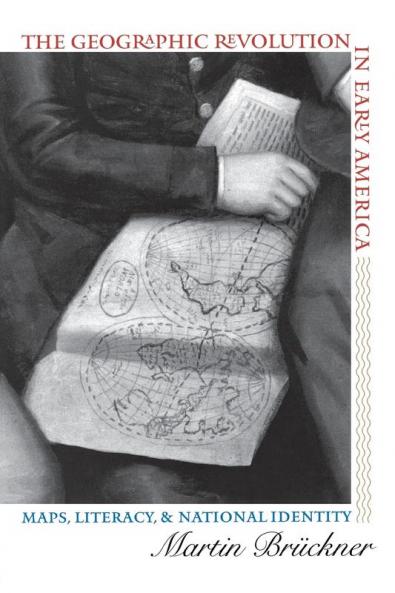
<p>The rapid rise in popularity of maps and geography handbooks in the eighteenth century ushered in a new geographic literacy among nonelite Americans. In a pathbreaking and richly illustrated examination of this transformation Martin Br&#xFC;ckner argues that geographic literacy as it was played out in popular literary genres &#x2014; written for example by William Byrd George Washington Thomas Jefferson Royall Tyler Charles Brockden Brown Meriwether Lewis and William Clark &#x2014; significantly influenced the formation of identity in America from the 1680s to the 1820s.<br/><br/>Drawing on historical geography cartography literary history and material culture Br&#xFC;ckner recovers a vibrant culture of geography consisting of property plats and surveying manuals decorative wall maps and school geographies the nation&#x2019;s first atlases and sentimental objects such as needlework samplers. By showing how this geographic revolution affected the production of literature Br&#xFC;ckner demonstrates that the internalization of geography as a kind of language helped shape the literary construction of the modern American subject. Empirically rich and provocative in its readings <i>The Geographic Revolution in Early America</i> proposes a new geographical basis for Anglo-Americans' understanding of their character and its expression in pedagogical and literary terms.</p>

Piracy-free

Assured Quality

Secure Transactions

Fast Delivery

Sustainably Printed
Details
ISBN 13
9780807856727
Publication Date
-27-02-2006
Pages
-294
Weight
-421 grams
Dimensions
-156x234x16.79 mm
