


This Book is Out of Stock!
English


Hardback
₹6463
₹8075
19.96% OFF
(All inclusive*)
Delivery Options
*COD & Shipping Charges may apply on certain items.
Review final details at checkout.
Looking to place a bulk order? SUBMIT DETAILS

Piracy-free

Assured Quality

Secure Transactions
About The Book
Description
Author
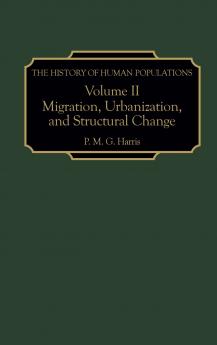
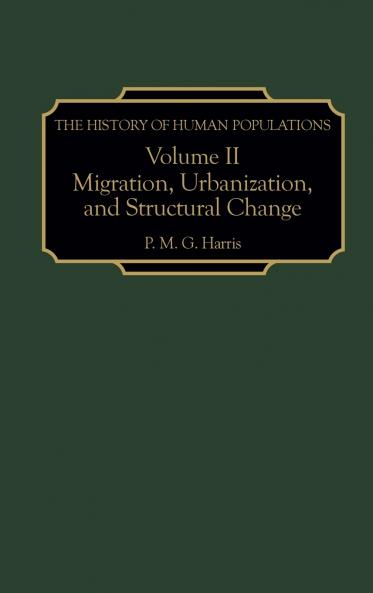
Building upon models set forth in Volume I of this work Harris turns his attention to populations on the move. Through examples from literature on migration the Atlantic slave trade and slave demography and urbanization this study demonstrates how all types of migrationfree and forced long-distance and localbuild up and are then absorbed into populations according to the same patterns that characterize populations in general. What causes these few closely related trends to reappear Harris argues is the way structures of populations alter according to a standard absorption of these migrations and react to other events via changes in births deaths and composition by age and sex.Harris finds that something fundamental in the process of demographic renewal consistently imprints a few common shapes upon many kinds of demographic as well as social and economic developments. Fresh perspectives on the business of the slave trade and the much-discussed modern shifts from agriculture into other employments and from countryside to town or city illustrate how ubiquitously and how fundamentally demographically generated trends shape social and economic movements. A future volume will identify and explain the origins of such ever-present patterns of change in the dynamics of fertility mortality and demographic renewal.
Piracy-free
Assured Quality
Secure Transactions
*COD & Shipping Charges may apply on certain items.
Review final details at checkout.
₹6463
₹8075
19% OFF
Hardback
Out Of Stock
All inclusive*
Details
ISBN 13
9780275971915
Publication Date
-30-08-2003
Pages
-580
Weight
-905 grams
Dimensions
-156x234x31.75 mm
