

English


₹1642
₹1911
14.08% OFF
(All inclusive*)
Paperback
Delivery Options
Please enter pincode to check delivery time.
*COD & Shipping Charges may apply on certain items.
Review final details at checkout.
Looking to place a bulk order? SUBMIT DETAILS
Delivery Options
Please enter pincode to check delivery time.
*COD & Shipping Charges may apply on certain items.
Review final details at checkout.
About The Book
Description
Author
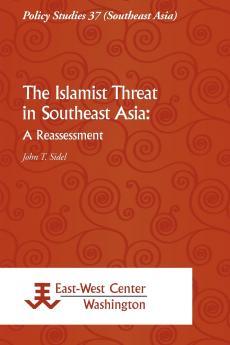
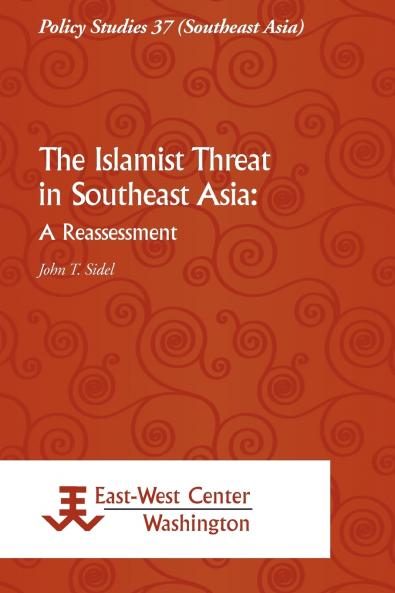
In recent years a steady stream of reportage and commentary has spotlighted a dangerous Islamist threat in Southeast Asia. This study by contrast offers a very different account. In descriptive terms this study suggests that such an alarmist picture is highly overdrawn and it traces instead a pattern of marked decline demobilization and disentanglement from state power in recent years for Islamist forces in Southeast Asia. This trend is evident both in the disappointments experienced in recent years by previously ascendant Islamist forces in Indonesia and Malaysia and in the diminished position of Muslim power brokers in southern Thailand and the Philippines after more than a decade of cooperation with non-Muslim politicians in Manila and Bangkok. In explanatory terms moreover this study shows the significance of social and political context. A fuller appreciation of aggression by anti-Islamists and non-Muslims and of the insecurity weakness and fractiousness of Islamist forces themselves helps to explain the nature extent and limitations of Islamist violence aggression and assertiveness. This overarching alternative framework not only provides a very different explanation for the Islamist threat in Southeast Asia but also suggests very different policy implications from those offered by specialists on terrorism working on the region.

Piracy-free

Assured Quality

Secure Transactions

Fast Delivery

Sustainably Printed
Details
ISBN 13
9789812304896
Publication Date
-31-07-2007
Pages
-88
Weight
-132 grams
Dimensions
-152x229x5.35 mm
