



This Book is Out of Stock!
English



Hardback
₹11791
(All inclusive*)
Delivery Options
*COD & Shipping Charges may apply on certain items.
Review final details at checkout.
Looking to place a bulk order? SUBMIT DETAILS

Piracy-free

Assured Quality

Secure Transactions
About The Book
Description
Author
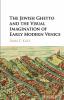
Dana E. Katz examines the Jewish ghetto of Venice as a paradox of urban space. In 1516 the Senate established the ghetto on the periphery of the city and legislated nocturnal curfews to reduce the Jews'' visibility in Venice. Katz argues that it was precisely this practice of marginalization that put the ghetto on display for Christian and Jewish eyes. According to her research early modern Venetians grounded their conceptions of the ghetto in discourses of sight. Katz''s unique approach demonstrates how Venice''s Jewish ghetto engaged the sensory imagination of its inhabitants in complex and contradictory ways that both shaped urban space and reshaped Christian-Jewish relations.
Piracy-free
Assured Quality
Secure Transactions
*COD & Shipping Charges may apply on certain items.
Review final details at checkout.
₹11791
Out Of Stock
All inclusive*
Details
ISBN 13
9781107165144
Publication Date
-19-10-2017
Pages
-204
Weight
-369 grams
Dimensions
-151.89x228.09x12.48 mm
