

English


Paperback
₹1233
(All inclusive*)
Delivery Options
Please enter pincode to check delivery time.
*COD & Shipping Charges may apply on certain items.
Review final details at checkout.
Looking to place a bulk order? SUBMIT DETAILS
Delivery Options
Please enter pincode to check delivery time.
*COD & Shipping Charges may apply on certain items.
Review final details at checkout.
About The Book
Description
Author
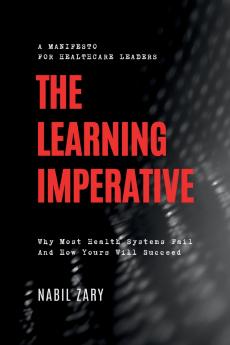
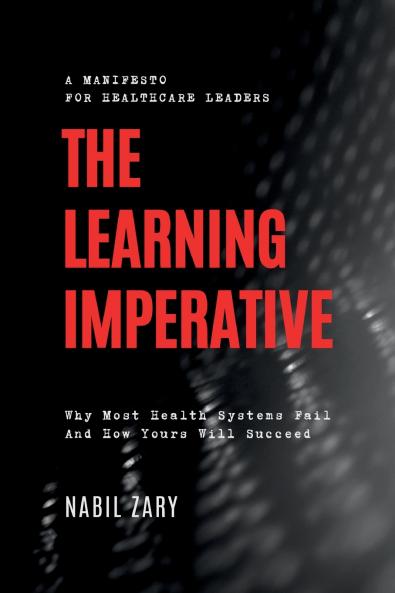
<h4><strong style=color: rgba(15 17 17 1); background-color: rgba(255 255 255 1)>Why do academic health systems keep failing at transformation-despite brilliant people adequate resources and genuine commitment?</strong></h4><p><span style=color: rgba(15 17 17 1); background-color: rgba(255 255 255 1)>After a decade working inside academic health systems across three continents physician-scientist Nabil Zary has identified a pattern that explains why most improvement initiatives quietly die within 18 months. It's not a lack of effort. It's not resistance to change. It's something more fundamental-and more fixable-than anyone wants to admit.</span></p><p></p><p><strong style=color: rgba(15 17 17 1); background-color: rgba(255 255 255 1)>The uncomfortable truth:</strong><span style=color: rgba(15 17 17 1); background-color: rgba(255 255 255 1)>&nbsp;Most health systems are trying to solve an organic problem with mechanical tools. They teach emergent learning principles through linear processes. They pursue culture change through committee structures. And they wonder why nothing sticks.&nbsp;</span><em style=color: rgba(15 17 17 1); background-color: rgba(255 255 255 1)>The Learning Imperative</em><span style=color: rgba(15 17 17 1); background-color: rgba(255 255 255 1)>&nbsp;challenges everything you think you know about organizational transformation. Through unflinching analysis and real-world examples from systems that succeeded-and those that spectacularly failed-this book reveals:</span></p><ul><li><strong style=color: rgba(15 17 17 1); background-color: rgba(255 255 255 1)>The five reasons</strong><span style=color: rgba(15 17 17 1); background-color: rgba(255 255 255 1)>&nbsp;transformation efforts consistently fail (and the one underlying cause that makes them all inevitable)</span></li><li><strong style=color: rgba(15 17 17 1); background-color: rgba(255 255 255 1)>Why governance-not culture not technology not training-is the foundational decision</strong><span style=color: rgba(15 17 17 1); background-color: rgba(255 255 255 1)>&nbsp;that determines whether your transformation succeeds or joins the 70% that fail</span></li><li><strong style=color: rgba(15 17 17 1); background-color: rgba(255 255 255 1)>The critical first 90 days</strong><span style=color: rgba(15 17 17 1); background-color: rgba(255 255 255 1)>&nbsp;that separate systems destined for breakthrough from those destined for yet another abandoned initiative</span></li><li><strong style=color: rgba(15 17 17 1); background-color: rgba(255 255 255 1)>How to conduct an honest organizational autopsy</strong><span style=color: rgba(15 17 17 1); background-color: rgba(255 255 255 1)>&nbsp;before launching your next transformation attempt</span></li></ul><p><span style=color: rgba(15 17 17 1); background-color: rgba(255 255 255 1)>This is not a feel-good book. There are no easy frameworks or reassuring platitudes. Instead you'll find diagnostic questions that force uncomfortable self-assessment decision points that demand real commitment and a clear-eyed roadmap for leaders ready to stop pretending and start transforming.</span></p><p></p><p><strong style=color: rgba(15 17 17 1); background-color: rgba(255 255 255 1)>If your organization has tried transformation before and failed this book will tell you why. If you're about to try again it might save you from repeating the same mistakes.</strong></p><p></p><p><em style=color: rgba(15 17 17 1); background-color: rgba(255 255 255 1)>Essential </em><span style=color: rgba(15 17 17 1); background-color: rgba(255 255 255 1)>reading for health system leaders.</span></p>

Piracy-free

Assured Quality

Secure Transactions

Fast Delivery

Sustainably Printed
Details
ISBN 13
9789699893551
Publication Date
-24-12-2025
Pages
-140
Weight
-210 grams
Dimensions
-156x234x8.3 mm
