


English


₹4238
₹4479
5.38% OFF
(All inclusive*)
Paperback
Delivery Options
Please enter pincode to check delivery time.
*COD & Shipping Charges may apply on certain items.
Review final details at checkout.
Looking to place a bulk order? SUBMIT DETAILS
Delivery Options
Please enter pincode to check delivery time.
*COD & Shipping Charges may apply on certain items.
Review final details at checkout.
About The Book
Description
Author
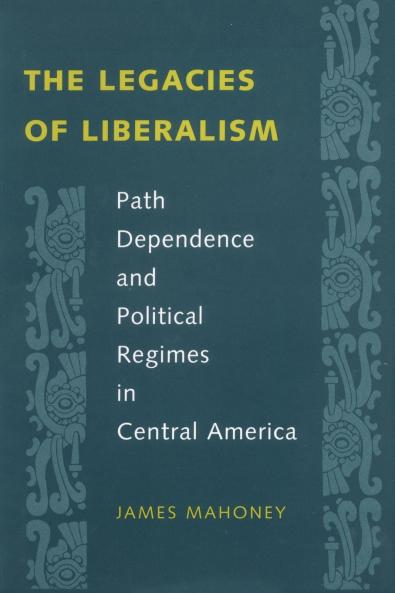
Despite their many similarities Central American countries during the twentieth century were characterized by remarkably different political regimes. In a comparative analysis of Guatemala El Salvador Costa Rica Honduras and Nicaragua James Mahoney argues that these political differences were legacies of the nineteenth-century liberal reform period. Presenting a theory of path dependence Mahoney shows how choices made at crucial turning points in Central American history established certain directions of change and foreclosed others to shape long-term development. By the middle of the twentieth century three types of political regimes characterized the five nations considered in this study: military-authoritarian (Guatemala El Salvador) liberal democratic (Costa Rica) and traditional dictatorial (Honduras Nicaragua). As Mahoney shows each type is the end point of choices regarding state and agrarian development made by these countries early in the nineteenth century. Applying his conclusions to present-day attempts at market creation in a neoliberal era Mahoney warns that overzealous pursuit of market creation can have severely negative long-term political consequences. The Legacies of Liberalism presents new insight into the role of leadership in political development the place of domestic politics in the analysis of foreign intervention and the role of the state in the creation of early capitalism. The book offers a general theoretical framework that will be of broad interest to scholars of comparative politics and political development and its overall argument will stir debate among historians of particular Central American countries.

Piracy-free

Assured Quality

Secure Transactions

Fast Delivery

Sustainably Printed
Details
ISBN 13
9780801871054
Publication Date
-16-01-2002
Pages
-420
Weight
-566 grams
Dimensions
-152x229x23.73 mm
