

English


₹4132
(All inclusive*)
Paperback
Delivery Options
Please enter pincode to check delivery time.
*COD & Shipping Charges may apply on certain items.
Review final details at checkout.
Looking to place a bulk order? SUBMIT DETAILS
Delivery Options
Please enter pincode to check delivery time.
*COD & Shipping Charges may apply on certain items.
Review final details at checkout.
About The Book
Description
Author
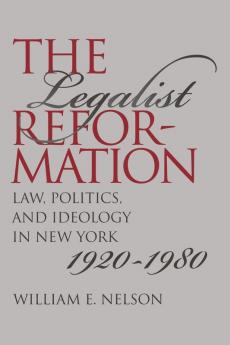
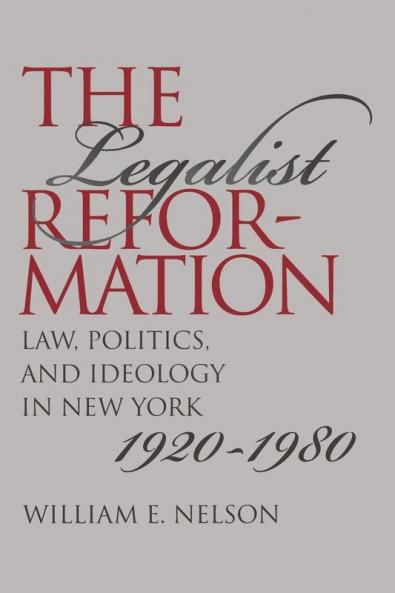
Based on a detailed examination of New York case law this pathbreaking book shows how law politics and ideology in the state changed in tandem between 1920 and 1980. Early twentieth-century New York was the scene of intense struggle between white Anglo-Saxon Protestant upper and middle classes located primarily in the upstate region and the impoverished mainly Jewish and Roman Catholic immigrant underclass centered in New York City. Beginning in the 1920s however judges such as Benjamin N. Cardozo Henry J. Friendly Learned Hand and Harlan Fiske Stone used law to facilitate the entry of the underclass into the economic and social mainstream and to promote tolerance among all New Yorkers.<br/><br/>Ultimately says William Nelson a new legal ideology was created. By the late 1930s New Yorkers had begun to reconceptualize social conflict not along class lines but in terms of the power of majorities and the rights of minorities. In the process they constructed a new approach to law and politics. Though doctrinal change began to slow by the 1960s the main ambitions of the legalist reformation &#x2014; liberty equality human dignity and entrepreneurial opportunity &#x2014; remain the aspirations of nearly all Americans and of much of the rest of the world today.

Piracy-free

Assured Quality

Secure Transactions

Fast Delivery

Sustainably Printed
Details
ISBN 13
9780807855041
Publication Date
-29-09-2003
Pages
-468
Weight
-660 grams
Dimensions
-156x234x26.47 mm
