




This Book is Out of Stock!
Eng




₹17185
₹21880
21.46% OFF
(All inclusive*)
Hardback
Delivery Options
*COD & Shipping Charges may apply on certain items.
Review final details at checkout.
Looking to place a bulk order? SUBMIT DETAILS
*COD & Shipping Charges may apply on certain items.
Review final details at checkout.
₹17185
₹21880
21% OFF
Hardback
Out Of Stock
All inclusive*
About The Book
Description
Author
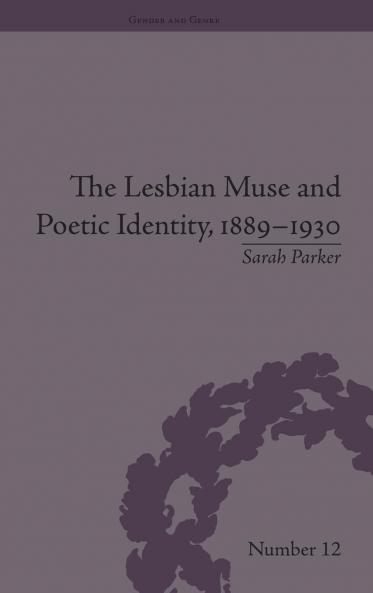
<p>Throughout history the poetic muse has tended to be (a passive) female and the poet male. This dynamic caused problems for late Victorian and twentieth-century women poets; how could the muse be reclaimed and moved on from the passive role of old? Parker looks at <i>fin-de-siècle</i> and modernist lyric poets to investigate how they overcame these challenges and identifies three key strategies: the reconfiguring of the muse as a contemporary instead of a historical/mythological figure; the muse as a male figure; and an interchangeable poet/muse relationship granting agency to both.</p>

Piracy-free

Assured Quality

Secure Transactions

Fast Delivery

Sustainably Printed
Details
ISBN 13
9781848933866
Publication Date
-01-11-2013
Pages
-232
Weight
-428 grams
Dimensions
-156x234x13.919000000000002 mm
