

English


Hardback
₹3833
(All inclusive*)
Delivery Options
Please enter pincode to check delivery time.
*COD & Shipping Charges may apply on certain items.
Review final details at checkout.
Looking to place a bulk order? SUBMIT DETAILS

Piracy-free

Assured Quality

Secure Transactions
About The Book
Description
Author
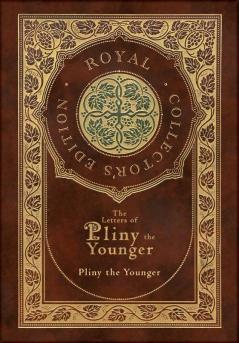
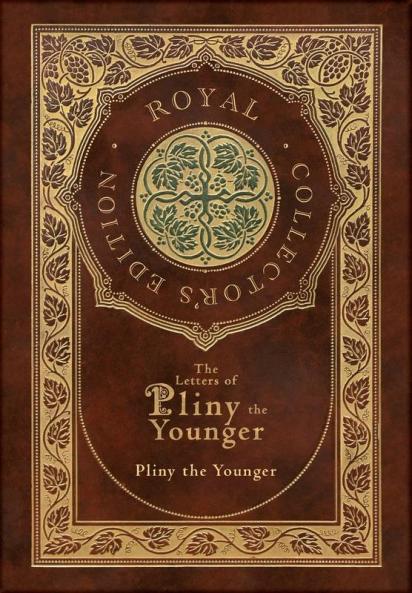
<p><strong style=color: rgba(32 33 34 1)>The collection of Pliny's letters is divided into ten books.</strong><span style=color: rgba(32 33 34 1)> His career as a young man is described in the earlier letters which include tributes to notable figures. Advice is offered to friends references are given political support is discussed and Pliny comments on many other aspects of Roman life. The eruption of Mount Vesuvius is detailed in two letters in Book Six. They were written to the historian Tacitus a close friend. Pliny also wrote letters describing the gardens at his country villas. The tenth book </span><span style=background-color: rgba(245 255 255 1); color: rgba(32 33 34 1)>contains letters to and from the emperor Trajan.&nbsp;</span></p><p><em>&nbsp;</em></p><p><span style=color: rgba(32 33 34 1)>The most famous literary figure to appear in Pliny's letters is his uncle Pliny the Elder. His nephew provides details of how his uncle worked tirelessly to finish his magnum opus the </span><em style=color: rgba(32 33 34 1)>Historia Naturalis</em><span style=color: rgba(32 33 34 1)> (</span><em style=color: rgba(32 33 34 1)>Natural History</em><span style=color: rgba(32 33 34 1)>). As heir to his uncle's estate Pliny the Younger inherited the Elder's large library benefiting from the acquisition. Pliny's letters about his gardens are the world's oldest sources of the information on how gardens were used in the ancient world and the considerations that went into their design.</span></p><p><br></p><p>This case laminate collector's edition includes a Victorian inspired dust-jacket.&nbsp;</p>
Piracy-free
Assured Quality
Secure Transactions
Delivery Options
Please enter pincode to check delivery time.
*COD & Shipping Charges may apply on certain items.
Review final details at checkout.
Details
ISBN 13
9781774769195
Publication Date
-26-11-2022
Pages
-220
Weight
-393 grams
Dimensions
-152x229x15.88 mm
