

English


₹243
₹375
35.2% OFF
(All inclusive*)
Paperback
Delivery Options
Please enter pincode to check delivery time.
*COD & Shipping Charges may apply on certain items.
Review final details at checkout.
Looking to place a bulk order? SUBMIT DETAILS
Delivery Options
Please enter pincode to check delivery time.
*COD & Shipping Charges may apply on certain items.
Review final details at checkout.
About The Book
Description
Author
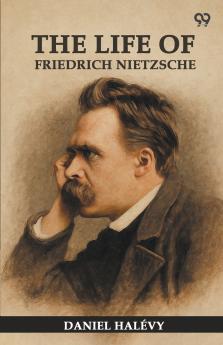
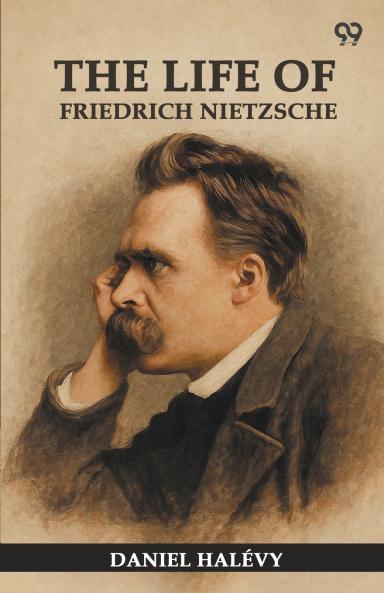
The life of Friedrich Nietzsche examines the early environment that influenced one of the most complex thinkers of modern philosophy. With an emphasis on upbringing and emotional imprint the narrative begins by recounting the loss that defined his childhood. The impact of his father's death and the resulting grief becomes a quiet lingering presence that informs later reflections. The story unfolds not only through biographical milestones but through the psychological conditions under which this development occurred. Drawing on family circumstances and historical context it constructs the emotional foundation from which a distinctive worldview emerged. The beginning explores the atmosphere of education devotion and loss suggesting how personal struggle intersects with intellectual brilliance. These formative impressions are presented not merely as events but as forces pressing inward shaping the philosophical identity to come. By introducing questions of identity loss and creative capacity early in the account the narrative presents a portrait of a youth who would later challenge conventional values with an intense inner logic foreshadowing the tensions that define his later writings.

Piracy-free

Assured Quality

Secure Transactions

Fast Delivery

Sustainably Printed
Details
ISBN 13
9789371131261
Publication Date
-05-01-2025
Pages
-250
Weight
-298 grams
Dimensions
-139.7x215.9x14.01 mm
