


English


Hardback
₹5887
(All inclusive*)
Delivery Options
Please enter pincode to check delivery time.
*COD & Shipping Charges may apply on certain items.
Review final details at checkout.
Looking to place a bulk order? SUBMIT DETAILS

Piracy-free

Assured Quality

Secure Transactions
About The Book
Description
Author(s)
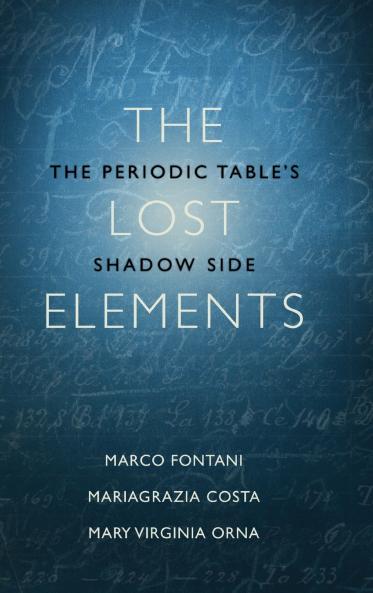
In the mid-nineteenth century chemists came to the conclusion that elements should be organized by their atomic weights. However the atomic weights of various elements were calculated erroneously and chemists also observed some anomalies in the properties of other elements. Over time it became clear that the periodic table as currently comprised contained gaps missing elements that had yet to be discovered. A rush to discover these missing pieces followed and a seemingly endless amount of elemental discoveries were proclaimed and brought into laboratories. It wasn''t until the discovery of the atomic number in 1913 that chemists were able to begin making sense of what did and what did not belong on the periodic table but even then the discovery of radioactivity convoluted the definition of an element further. Throughout its formation the periodic table has seen false entries good-faith errors retractions and dead ends; in fact there have been more elemental discoveries that have proven false than there are current elements on the table. The Lost Elements: The Shadow Side of Discovery collects the most notable of these instances stretching from the nineteenth century to the present. The book tells the story of how scientists have come to understand elements by discussing the failed theories and false discoveries that shaped the path of scientific progress. Chapters range from early chemists'' stubborn refusal to disregard alchemy as legitimate practice to the effects of the atomic number on discovery to the switch in influence from chemists to physicists as elements began to be artificially created in the twentieth century. Along the way Fontani Costa and Orna introduce us to the key figures in the development of the periodic table as we know it. And we learn in the end that this development was shaped by errors and gaffs as much as by correct assumptions and scientific conclusions.
Piracy-free
Assured Quality
Secure Transactions
Delivery Options
Please enter pincode to check delivery time.
*COD & Shipping Charges may apply on certain items.
Review final details at checkout.
Details
ISBN 13
9780199383344
Publication Date
-03-11-2014
Pages
-552
Weight
-867 grams
Dimensions
-156x234x34.93 mm
