


English



₹2944
₹3516
16.27% OFF
(All inclusive*)
Paperback
Delivery Options
Please enter pincode to check delivery time.
*COD & Shipping Charges may apply on certain items.
Review final details at checkout.
Looking to place a bulk order? SUBMIT DETAILS
Delivery Options
Please enter pincode to check delivery time.
*COD & Shipping Charges may apply on certain items.
Review final details at checkout.
About The Book
Description
Author
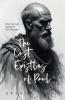
<p><span style=background-color: rgba(255 255 255 1); color: rgba(15 17 17 1)>What would the Apostle Paul have written if his complete correspondence had survived? What theological dimensions remained unexpressed in his letters? How might he have addressed audiences he never wrote to?</span></p><p></p><p><span style=background-color: rgba(255 255 255 1); color: rgba(15 17 17 1)>The Lost Epistles of Paul presents a bold exploration of the unknown Paul - reconstructing lost letters mentioned in the New Testament uncovering theological reflections implicit in his thought and imagining epistles the apostle might have written to various recipients.</span></p><p></p><p><span style=background-color: rgba(255 255 255 1); color: rgba(15 17 17 1)>The book is structured in three parts:</span></p><ul><li><strong style=background-color: rgba(255 255 255 1); color: rgba(15 17 17 1)>Lost Letters</strong><span style=background-color: rgba(255 255 255 1); color: rgba(15 17 17 1)>: Reconstruction of letters explicitly mentioned in Paul's canonical epistles such as the letter before 1 Corinthians the letter of tears and the epistle to the Laodiceans.</span></li><li><strong style=background-color: rgba(255 255 255 1); color: rgba(15 17 17 1)>Unspoken Thoughts</strong><span style=background-color: rgba(255 255 255 1); color: rgba(15 17 17 1)>: Exploration of theological dimensions that remain implicit rather than fully articulated in Paul's surviving writings.</span></li><li><strong style=background-color: rgba(255 255 255 1); color: rgba(15 17 17 1)>Impossible Letters</strong><span style=background-color: rgba(255 255 255 1); color: rgba(15 17 17 1)>: Creation of hypothetical epistles Paul might have written to the Jerusalem church Roman authorities women leaders and churches of future generations.</span></li></ul><p></p><p><span style=background-color: rgba(255 255 255 1); color: rgba(15 17 17 1)>We encounter a more complex and multifaceted Paul - one whose theological vision extends beyond what survived in his canonical letters. The book illuminates not only the apostle's world but offers fresh insights for the contemporary church navigating its own theological and practical challenges.</span></p>

Piracy-free

Assured Quality

Secure Transactions

Fast Delivery

Sustainably Printed
Details
ISBN 13
9798898135645
Publication Date
-30-05-2025
Pages
-188
Weight
-229 grams
Dimensions
-140x216x14.29 mm
