


This Book is Out of Stock!
English


Paperback
₹2326
₹3457
32.7% OFF
(All inclusive*)
Delivery Options
*COD & Shipping Charges may apply on certain items.
Review final details at checkout.
Looking to place a bulk order? SUBMIT DETAILS

Piracy-free

Assured Quality

Secure Transactions
About The Book
Description
Author
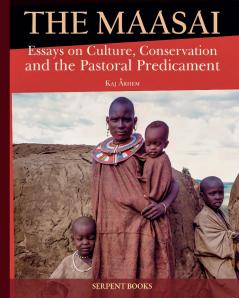
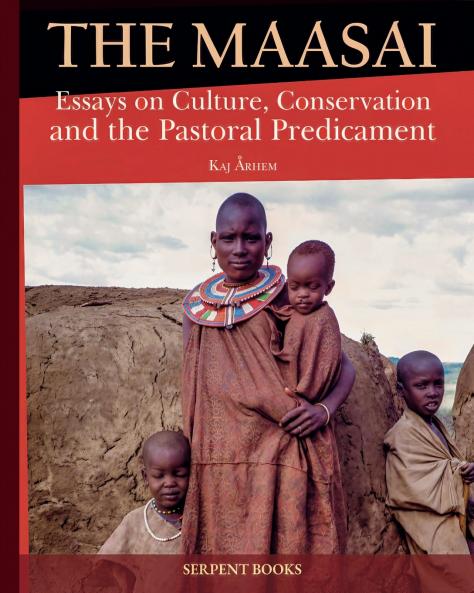
<p><strong>The Maasai: Essays on Culture Conservation and the Pastoral Predicament</strong> is a richly illustrated exploration of Maasai life in Tanzania's Ngorongoro Conservation Area. Combining <strong>ethnographic essays</strong> with <strong>full-color and black-and-white photography</strong> the book offers both cultural depth and striking visual impact.</p><p></p><p><strong>Highlights include:</strong></p><p>• Penetrating portrait of age-old Maasai culture and pastoral lifeways</p><p>• Close study of the Ngorongoro Maasai living under conservation rule</p><p>• Analysis of homestead symbolism pastoral diet and plant-based medicine</p><p>• Critical discussion of the politics of wildlife conservation in Maasailand</p><p>• Epilogue on the Maasai's current struggle against eviction from their homeland</p><p></p><p>This volume gathers a selection of anthropological essays on the pastoral Maasai based on the author's fieldwork in Ngorongoro Tanzania during the 1980s. The Ngorongoro Conservation Area world-famous for its rich wildlife is also home to a large population of Maasai livestock herders. The essays provide a penetrating portrait of Maasai culture and the predicament of the Ngorongoro Maasai who evicted from the adjoining Serengeti National Park in the 1950s now live under conservation rule. The book is richly produced and illustrated with the author's color and black-and-white photographs.</p><p>Drawing on both published sources and extensive fieldwork the first three essays examine little-studied aspects of Maasai culture including the symbolic meanings of their apparently simple homesteads (kraals) their unique pastoral diet of milk meat and blood and their ideas about medicine-based almost entirely on wild plants.</p><p>The final essays critically explore the politics of wildlife conservation in Tanzanian Maasailand focusing on its consequences for the Maasai pastoralists living in the Ngorongoro Conservation Area. The <strong>Epilogue</strong> provides an update on the precarious situation of the Ngorongoro Maasai who constrained by grazing restrictions and expanding safari tourism face imminent eviction from their ancestral lands.</p><p>Altogether the book offers a rare combination of accessible ethnographic analysis and engaged critical research-amounting to a powerful plea for the Maasai's right to continue their pastoral way of life. Although centered on the Maasai the essays address issues confronting many of the world's indigenous peoples. The author's work among the Ngorongoro Maasai is recognized as an early and seminal contribution to <strong>political ecology</strong> exploring the often conflictive relationship between indigenous peoples and conservationists.</p><p></p><p><strong style=background-color: rgba(255 255 255 1); color: rgba(15 17 17 1)>About the Author:</strong><span style=background-color: rgba(255 255 255 1); color: rgba(15 17 17 1)>&nbsp;Kaj Århem is emeritus professor in Social Anthropology at the University of Gothenburg and Senior Research Associate at the Dept. of Cultural Anthropology Uppsala University. His books include&nbsp;</span><em style=background-color: rgba(255 255 255 1); color: rgba(15 17 17 1)>Pastoral Man in the Garden of Eden: The Maasai of the Ngorongoro Conservation Area Tanzania</em><span style=background-color: rgba(255 255 255 1); color: rgba(15 17 17 1)>&nbsp;(1985)&nbsp;</span><em style=background-color: rgba(255 255 255 1); color: rgba(15 17 17 1)>Makuna: Portrait of an Amazonian People</em><span style=background-color: rgba(255 255 255 1); color: rgba(15 17 17 1)>&nbsp;(1998) and&nbsp;</span><em style=background-color: rgba(255 255 255 1); color: rgba(15 17 17 1)>Animism in Southeast Asia</em><span style=background-color: rgba(255 255 255 1); color: rgba(15 17 17 1)>&nbsp;(2016) coedited with Guido Sprenger.</span></p>
Piracy-free
Assured Quality
Secure Transactions
*COD & Shipping Charges may apply on certain items.
Review final details at checkout.
₹2326
₹3457
32% OFF
Paperback
Out Of Stock
All inclusive*
Details
ISBN 13
9789198940039
Publication Date
-10-02-2025
Pages
-218
Weight
-448 grams
Dimensions
-203x254x14.25 mm
