

English


Paperback
₹2908
₹3206
9.3% OFF
(All inclusive*)
Delivery Options
Please enter pincode to check delivery time.
*COD & Shipping Charges may apply on certain items.
Review final details at checkout.
Looking to place a bulk order? SUBMIT DETAILS
Delivery Options
Please enter pincode to check delivery time.
*COD & Shipping Charges may apply on certain items.
Review final details at checkout.
About The Book
Description
Author
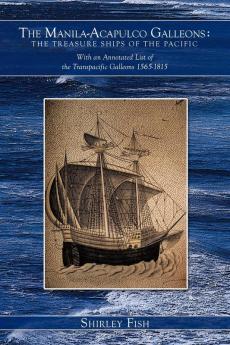
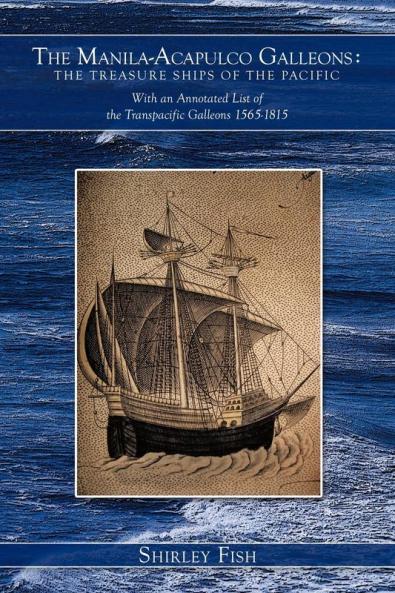
During The Sixteenth To The Nineteenth Centuries The Transpacific Treasure Galleons Sailed Annually From Manila To Acapulco. In Manila The Vessel Was Loaded With The Scented Spices Of The East Luxurious Silks From China Exquisite Hand Crafted Lacquerware From Japan And A Multitude Of Oriental Goods That The Spaniards Of New Spain Longed To Own. The Returning Galleon From Acapulco To Manila Carried As Much As 2.5 Million Silver Pesos In Payment Of The Goods Sent To The New Spain In The Previous Year As Well As A Yearly Silver Subsidy Of 250000 Reales For The Maintenance Of The Colonial Government In The Philippines. But While The Galleons Mainly Sailed Alone And Unaccompanied From Manila To Acapulco And Vice Versa They Were Vulnerable To A Host Of Calamities And Misfortunes. A Fire On Board The Vessel Or A Terrifying Storm Could End The Voyage And The Lives Of Every One On The Ship Even Before The Galleon Was Able To Reach Land. Additionally The Commanders Of The Galleons Were Always Threatened By Lurking Pirates And Privateers Who Preyed On The Vessels And Coveted The Treasures They Carried. The Book Describes In Detail How The Galleons Were Attacked At Sea And How They Fought Against Enemy Vessels As Well As How Many Of The Ships Sank Or Were Shipwrecked Over The Years. It Also Covers Their Management Construction Manning Weaponry Navigation Daily Life On The Ship Provisions Cargoes And Voyages. The Book Contains An Annotated List Of The Galleons Sailing Between The Philippines And Mexico From 1565 To 1815. This Informative Book Is The First Of Its Kind To Cover Such An Expansive History Of The Pacific Galleons Which Up To This Point Had Remained Largely Untold.

Piracy-free

Assured Quality

Secure Transactions

Fast Delivery

Sustainably Printed
Details
ISBN 13
9781456775421
Publication Date
-12-05-2011
Pages
-552
Weight
-739 grams
Dimensions
-152x229x31.25 mm
