


English



₹2398
(All inclusive*)
Paperback
Delivery Options
Please enter pincode to check delivery time.
*COD & Shipping Charges may apply on certain items.
Review final details at checkout.
Looking to place a bulk order? SUBMIT DETAILS
Delivery Options
Please enter pincode to check delivery time.
*COD & Shipping Charges may apply on certain items.
Review final details at checkout.
About The Book
Description
Author
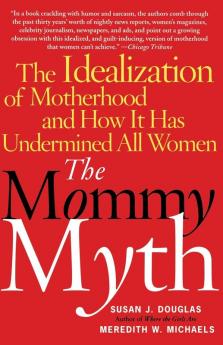
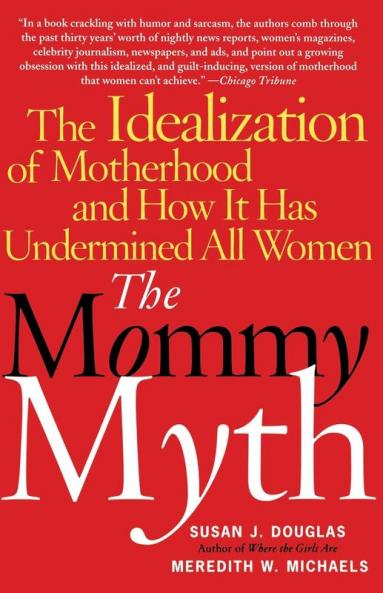
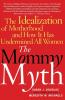
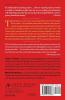
Taking readers on a provocative tour through thirty years of media images about mothers -the superficial achievements of celebrity moms, the sensational coverage of dangerous day care, the media-manufactured "mommy wars" between working mothers and stay-at-home moms, and more </br>the mommy myth contends that this "new momism" has been shaped by out-of-date mores, and that no matter how hard they try, women will never achieve it. in this must-read for every woman, susan j. douglas and meredith w. michaels shatter the myth of the perfect mom and all but shout, "we're not gonna take it anymore!"review"an absolutely fascinating exposé...this eye-opening report contains a wealth of valuable insight into the never-ending, and ultimately self-defeating, quest for the maternal perfection glorified by contemporary american society." </br>booklist"in a book crackling with humor and sarcasm, the authors comb through the past thirty yearsworth of nightly news reports, women's magazines, celebrity journalism, newspapers, and ads, and point out a growing obsession with this idealized, and guilt-inducing, version of motherhood that women can't achieve." </br>chicago tribune"this is a book for mothers who can admit that they yell sometimes, feed their children processed food, and occasionally get bored playing barbie camp-out under the dining room table....it's a book for mothers who would be okay with being imperfect, if only the rest of the world would stop pointing out their shortcomings." </br>the washington postsusan j. douglas is the catherine neafie kellogg professor of communication studies at the university of michigan. she is the author oflistening in: radio and the american imagination, where the girls are: growing up female with the mass media, andinventing american broadcasting, 1899-1922. her journalistic articles have appeared inthe nation, ms., in these times, tv guide, andthe progressive.meredith w. michaels is a writer who doubles as a philosophy professor at smith college. her research and writing focus on the way that cultural changes affect our understanding of reproduction, parenthood, and childhood.excerpt. © reprinted by permission. all rights reserved.chapter one: revolt against the mrsimagine it's mother's day, and you are being taken out to one of those god-awful brunches where you and hundreds of other mothers will be force-fed runny scrambled eggs and flaccid croissants by way of thanking you for the other 364 days, when instead of the brunch you get "mom, you shrank my sweater in the dryer and i need a new one by tomorrow," or "all theother mothers will be at the hockey banquet," or, simply enough, "i hate you. you never listen to me! i wish you weren't my mother!" as you walk toward the restaurant, you notice broadsides posted on the telephone poles all over town. they begin, "today, one day of the year, america is celebrating motherhood, in home...church...restaurant...candy shop...flower store." obvious enough. but then the tone changes. "the other 364 days she preserves the apple pie of family life and togetherness, and protects the sanctity of the male ego and profit. she lives through her husband and children." now things get more radical. "she is sacrificed on the altar of reproduction....she is damned to the dreary world of domesticity by day, and legal rape by night....she is convinced that happiness and her lost identity can be recovered by buying -more and more and more and more."or a bunch of women are handing out flyers. they are titled "notice to all governments" and then demand "wages for housework." (yes!) they read: "we clean your homes and your factories. we raise the next generation of workers for you. whatever else we may do, we are the housewives of the world. in return for our work, you have only asked us to work harder." as a result, "we are serving notice to you that we intend to be paid for the work we do. we want w

Piracy-free

Assured Quality

Secure Transactions

Fast Delivery

Sustainably Printed
Details
ISBN 13
9780743260466
Publication Date
-01-02-2005
Pages
-416
Weight
-487 grams
Dimensions
-140x216x21.97 mm
